Spijkenisse Centrum Station Area
- Station area
- City centre
- Public space design

Design and development
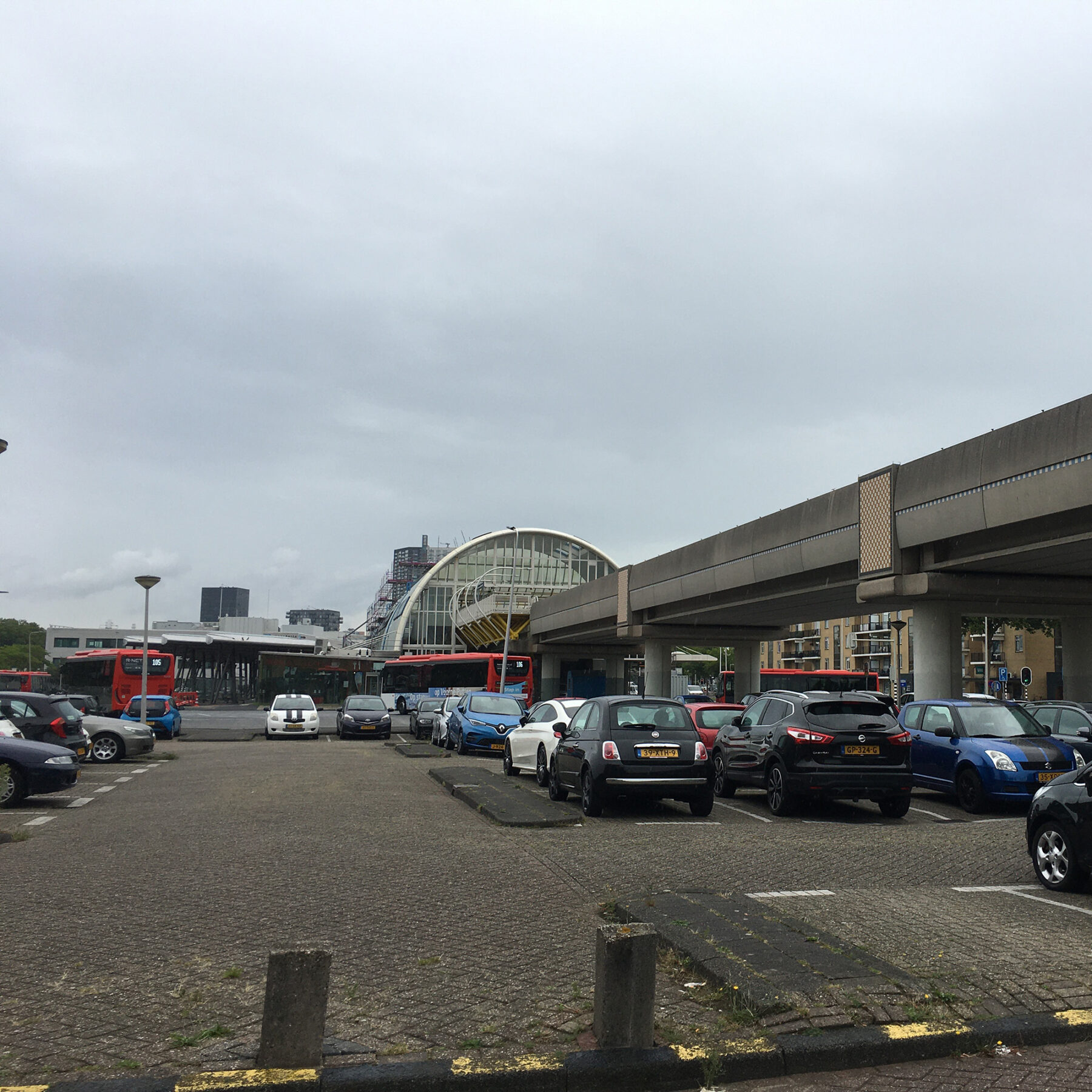
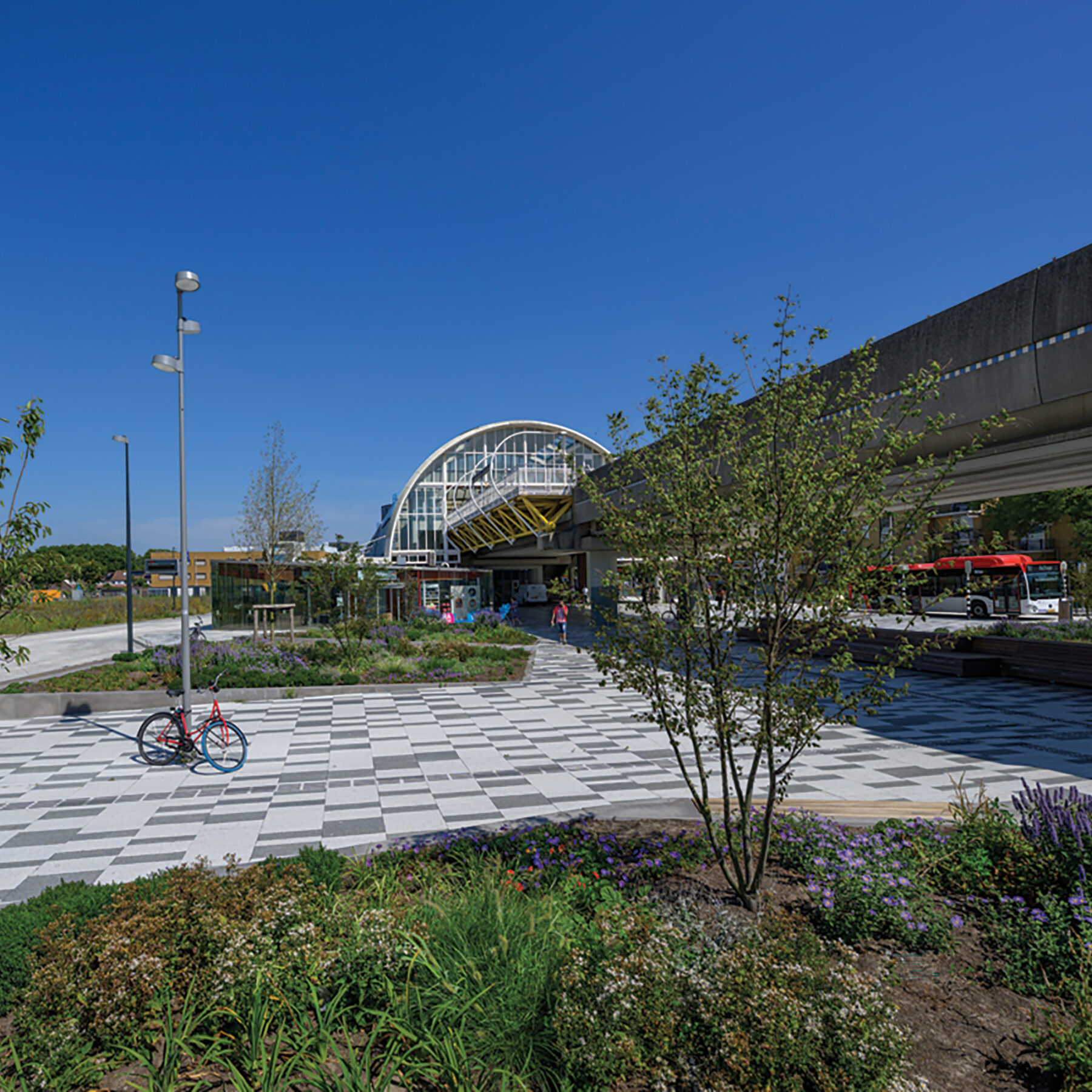
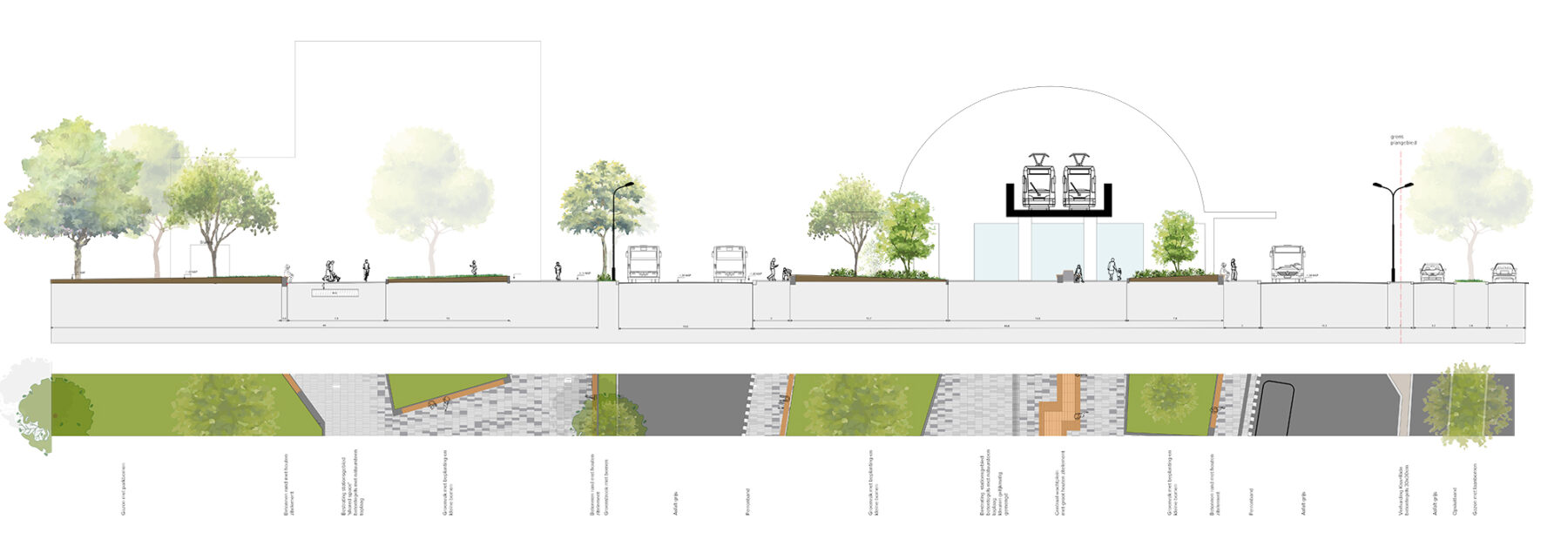
The bus station has been expanded and reorganized into a central bus island with platforms on all sides. The station square forms the heart of the design, connecting the metro station, bus station, and town centre. A large public bicycle parking facility has been added, while the former car park has been transformed into a Park & Ride (P&R) facility. These functions have been relocated to the edges of the area, creating more space in the most central locations for pedestrian movement, public use, and greenery.
A key design objective was to create a station environment where travellers feel safe, comfortable, and welcome. Throughout the design process, attention was given not only to logistics but also to user behaviour, quality of stay, and social safety. In collaboration with urban psychologist Sander van der Ham, travellers’ needs were translated into a clear and legible public space with unobstructed sightlines, a calm atmosphere, and attractive places to spend time.
A distinctive feature of the design is the series of “green shards”: shard-shaped planting beds that extend from the adjacent Centrumpark into the station square and bus island. These elements guide travellers through the area while integrating placemaking, biodiversity, and climate adaptation. The raised concrete edges surrounding the planting beds gradually increase in height and also function as seating edges, allowing travellers to sit close to the greenery while waiting.
The choice of materials further strengthens the identity of the area. A bespoke paving pattern, using a variety of sizes and colour tones, creates a subtle and refined streetscape. This gives the station area a softer and more urban character while reinforcing the cohesion between the different functions and spaces.


Use and social impact
The renewed station area is more than just a transport interchange. It is a vibrant public space where travellers, residents, visitors, and students come together. Comfortable waiting areas, integrated seating, bicycle facilities, and generous greenery make it a place where people not only pass through but also enjoy spending time.
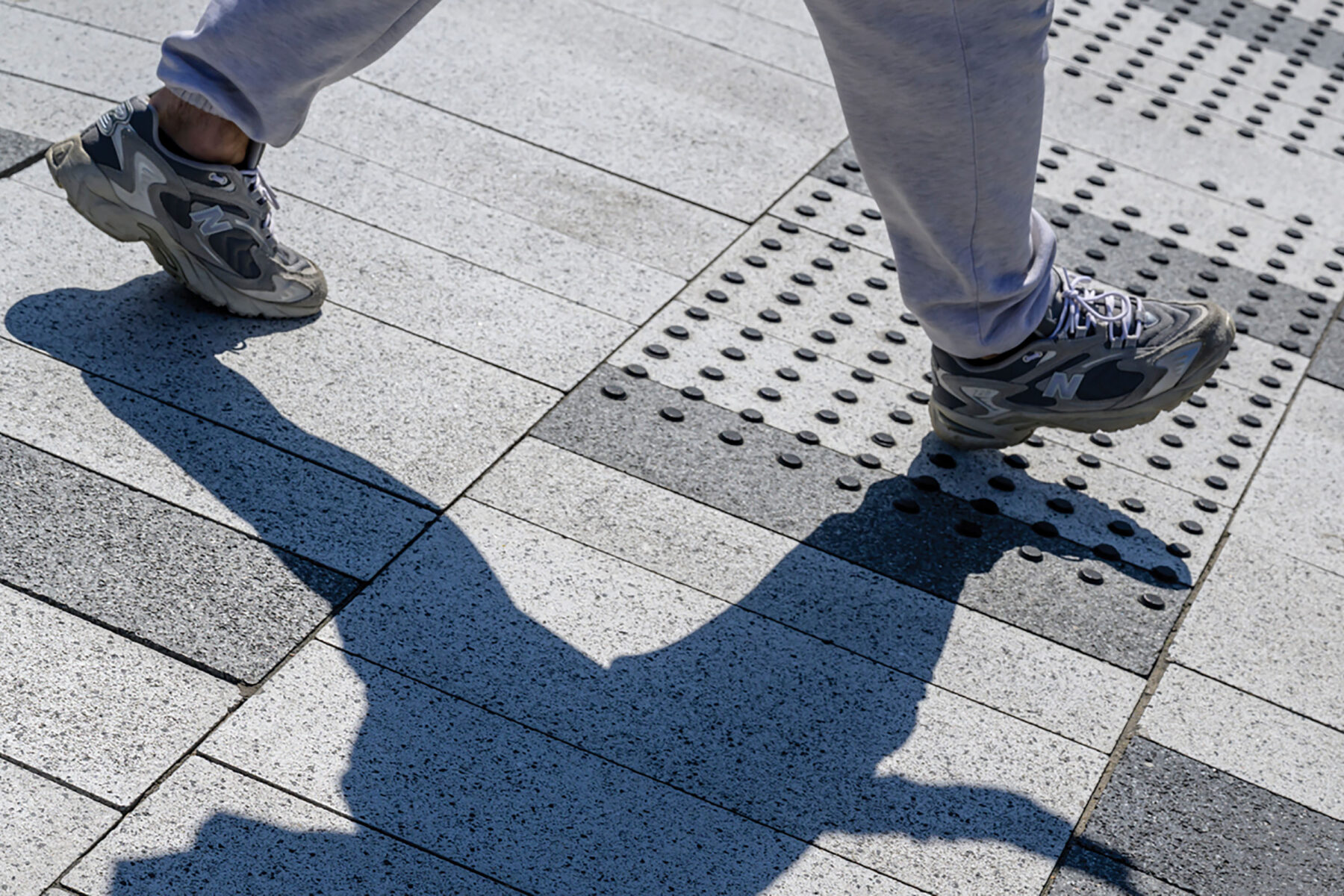
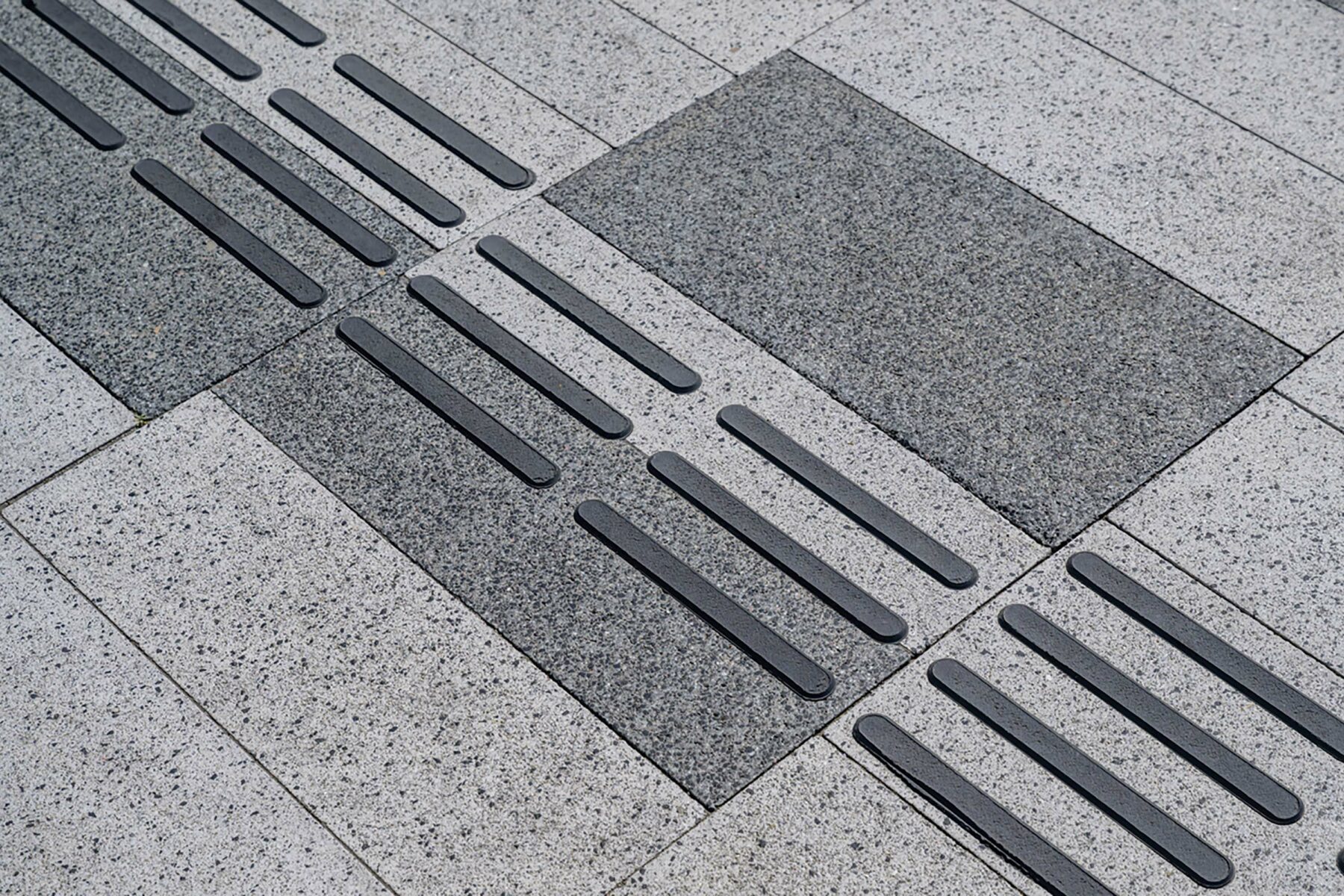
Accessibility was a major focus throughout the project. Tactile guidance strips, audible paving tiles, audio information buttons at bus stops, and level boarding facilities ensure that the station can be used independently and comfortably by a wide range of travellers. Social safety is embedded in the design through clear sightlines, an open spatial layout, high-quality lighting, and intuitive wayfinding.
Sustainability and climate adaptation
The new trees and planting beds with high-quality perennial planting contribute to increased biodiversity and a more pleasant microclimate. Existing trees were retained wherever possible, while numerous new trees and green structures were added to strengthen connections with the adjacent park and surrounding public spaces. Different planting zones create small urban habitats that support insects, birds, bats, and other species. The trees and vegetation also provide cooling during warmer periods and help reduce the urban heat island effect within the station area. The renewed water management system ensures that rainwater is retained locally as much as possible.
Robust, durable materials were selected throughout the project, and existing paving materials were reused wherever feasible. The underground infrastructure has been prepared for future charging facilities for electric buses. In this way, the station area represents an important step towards a more sustainable and future-oriented mobility network for the region.


Process and collaboration
The design for Spijkenisse Centrum Station Area was developed in close collaboration with the Municipality of Nissewaard, public transport operators, developers, and technical consultants. The complexity of the project—characterised by intensive public transport use, underground infrastructure, and a wide variety of user groups—required an integrated design approach in which mobility, public space, engineering, and landscape were considered as a single challenge from the outset.
The result is a recognisable, green, and future-proof urban gateway where mobility, landscape, and city life come together. A station environment that makes public transport an attractive and natural choice.
Would you like to learn more about this project?
Nora Kooijmans would be happy to tell you more about it.