Gaswerkareal
- Industrial area
- Area vision
- Masterplan

Design and spatial structure
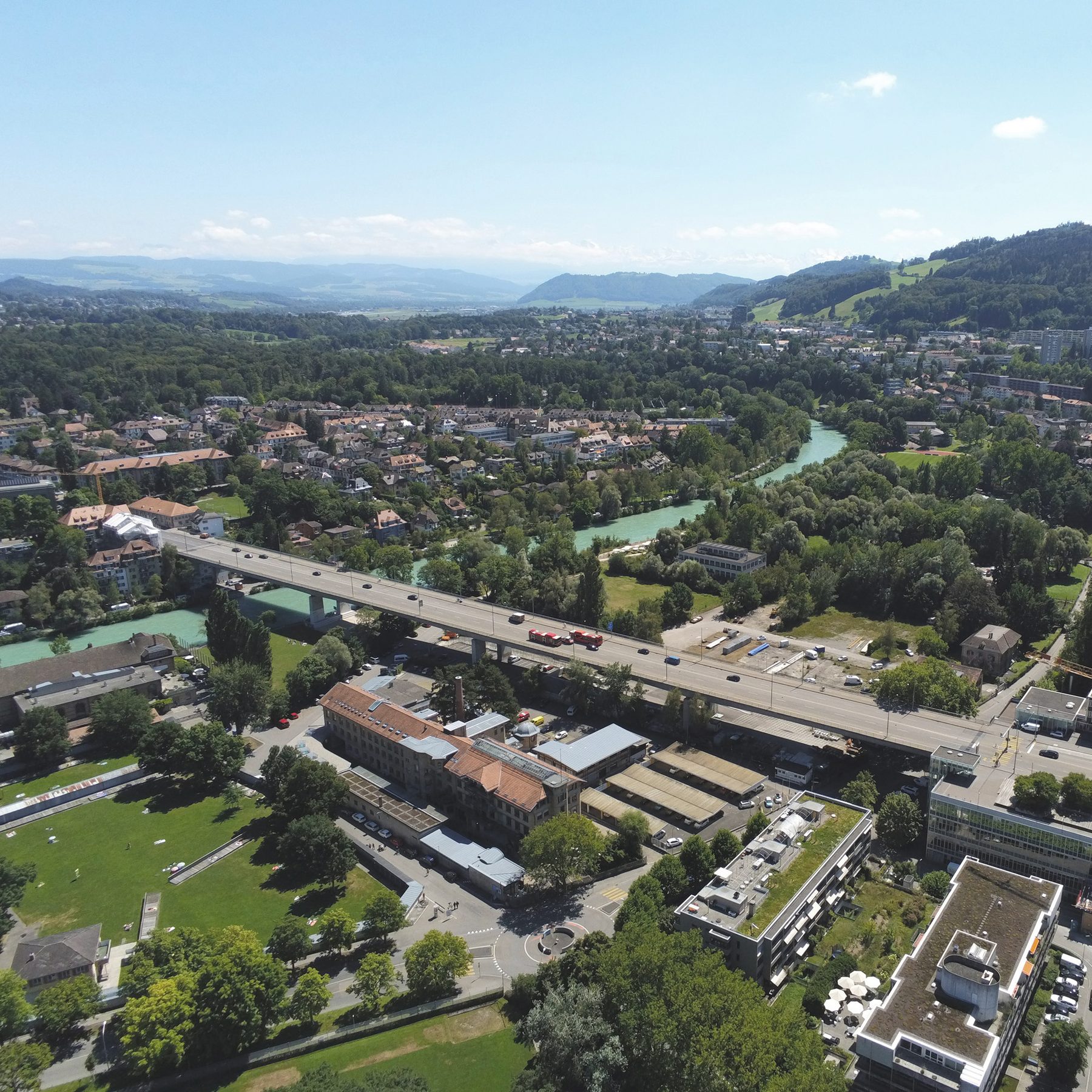
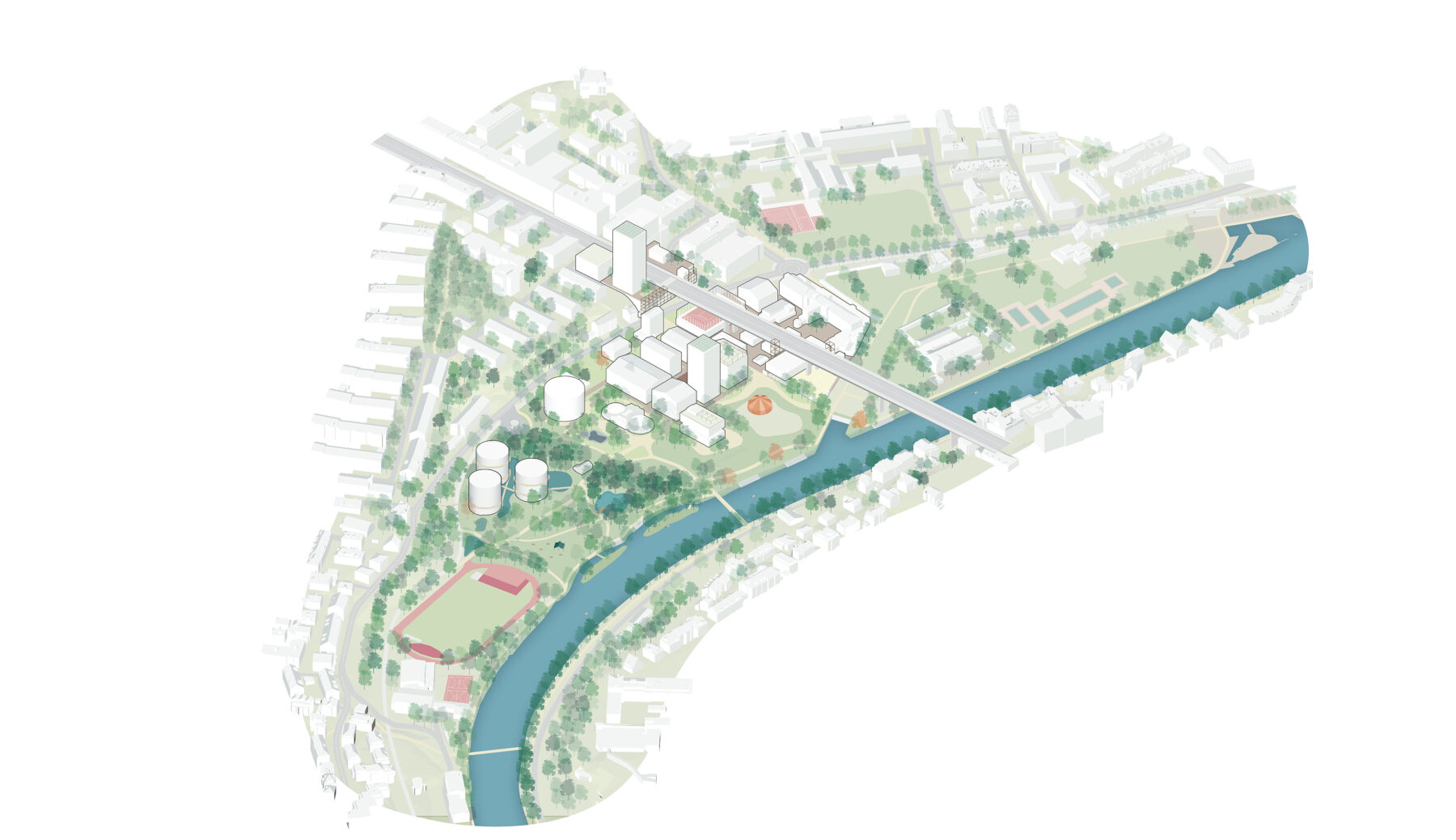
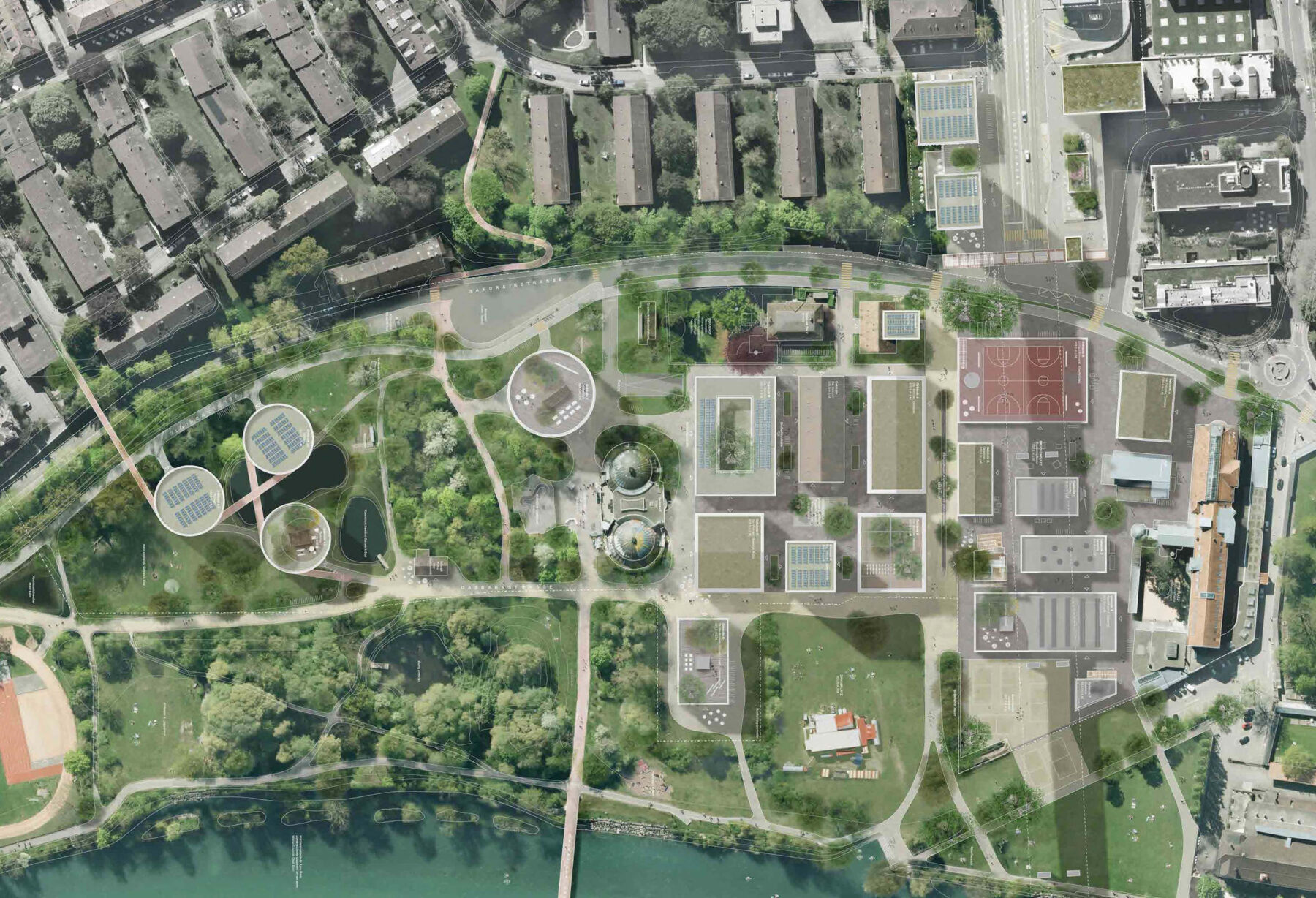
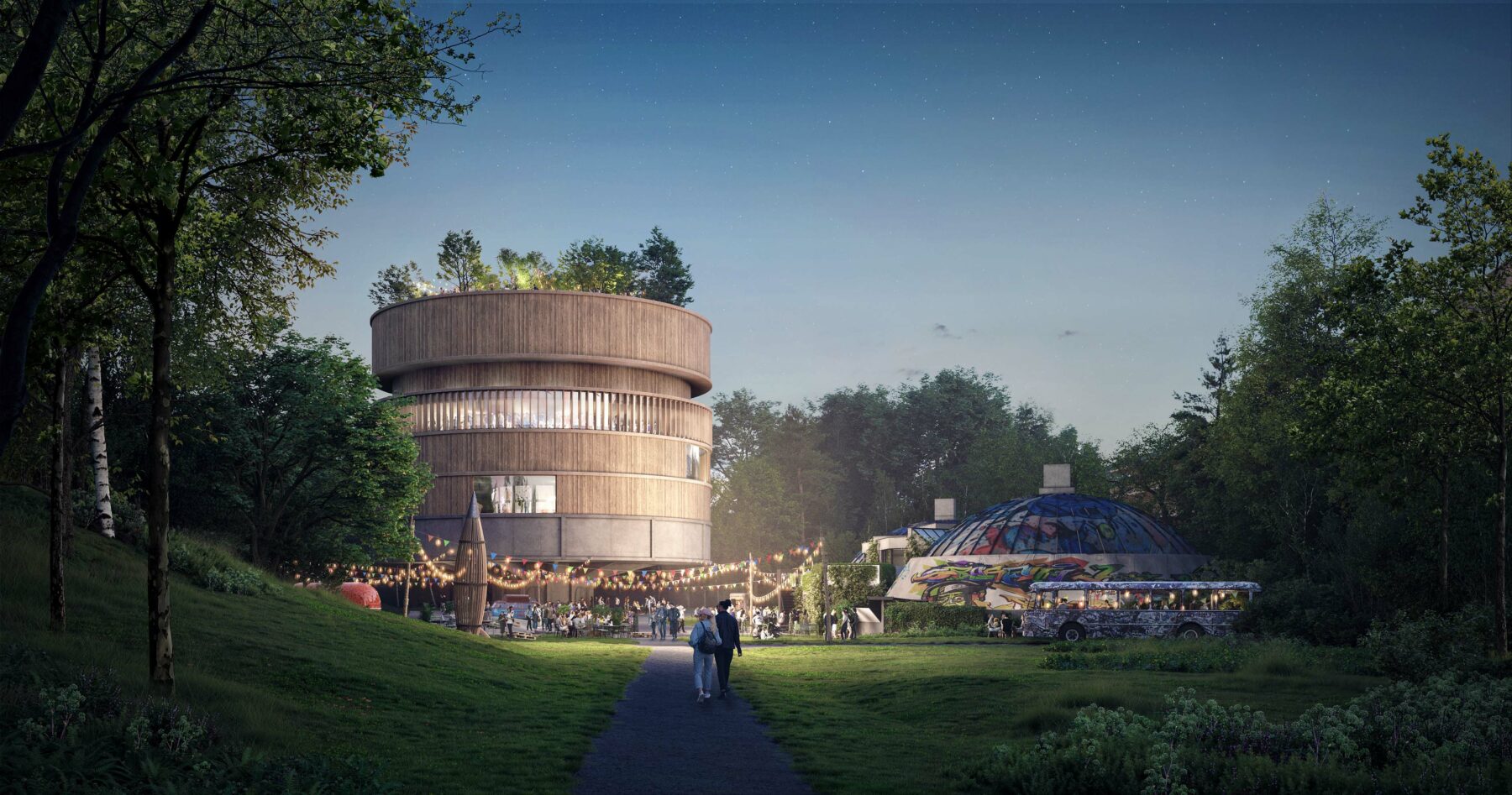
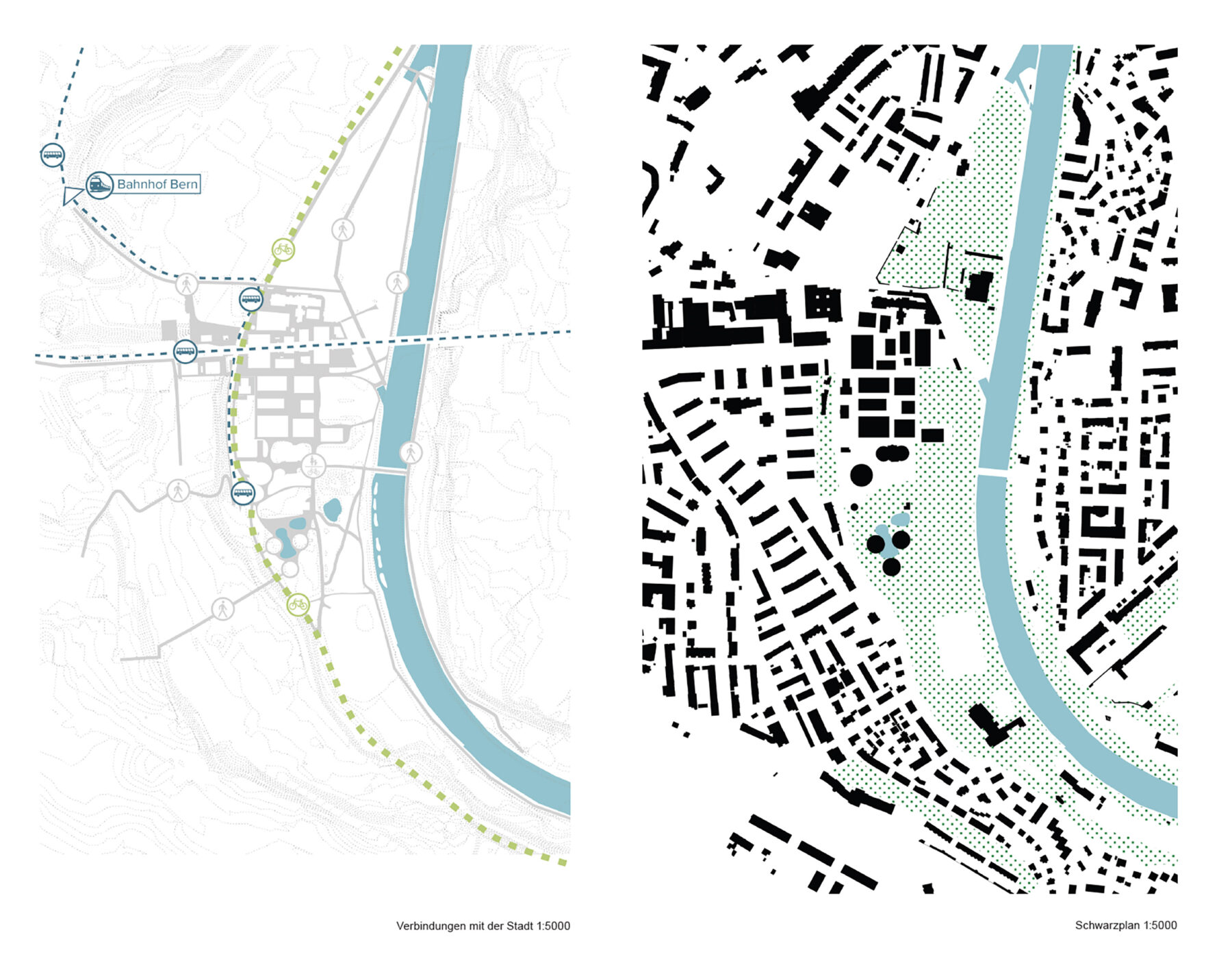
The urban design concept is based on the unique relationship between the former gasworks site and the landscape of the Aare River. The historic industrial structure serves as the foundation for a new spatial organization in which existing buildings, new building volumes, and public spaces together create a distinctive identity. The development is organized around five characteristic subareas: Brückenkopf West, the Ryff Factory, the Gaswerk, the Gaskessel, and the ecological residential zone on the southern edge of the site.
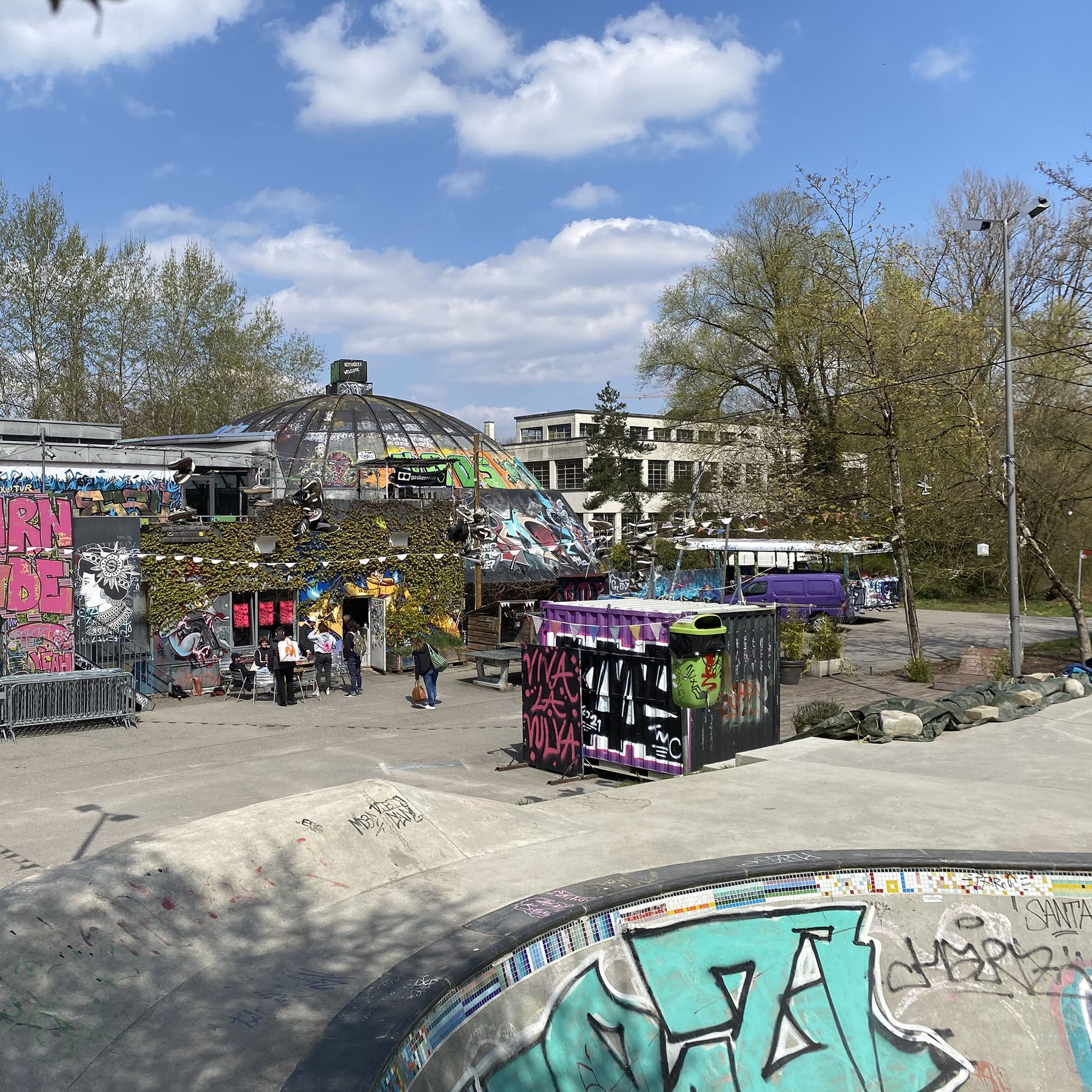
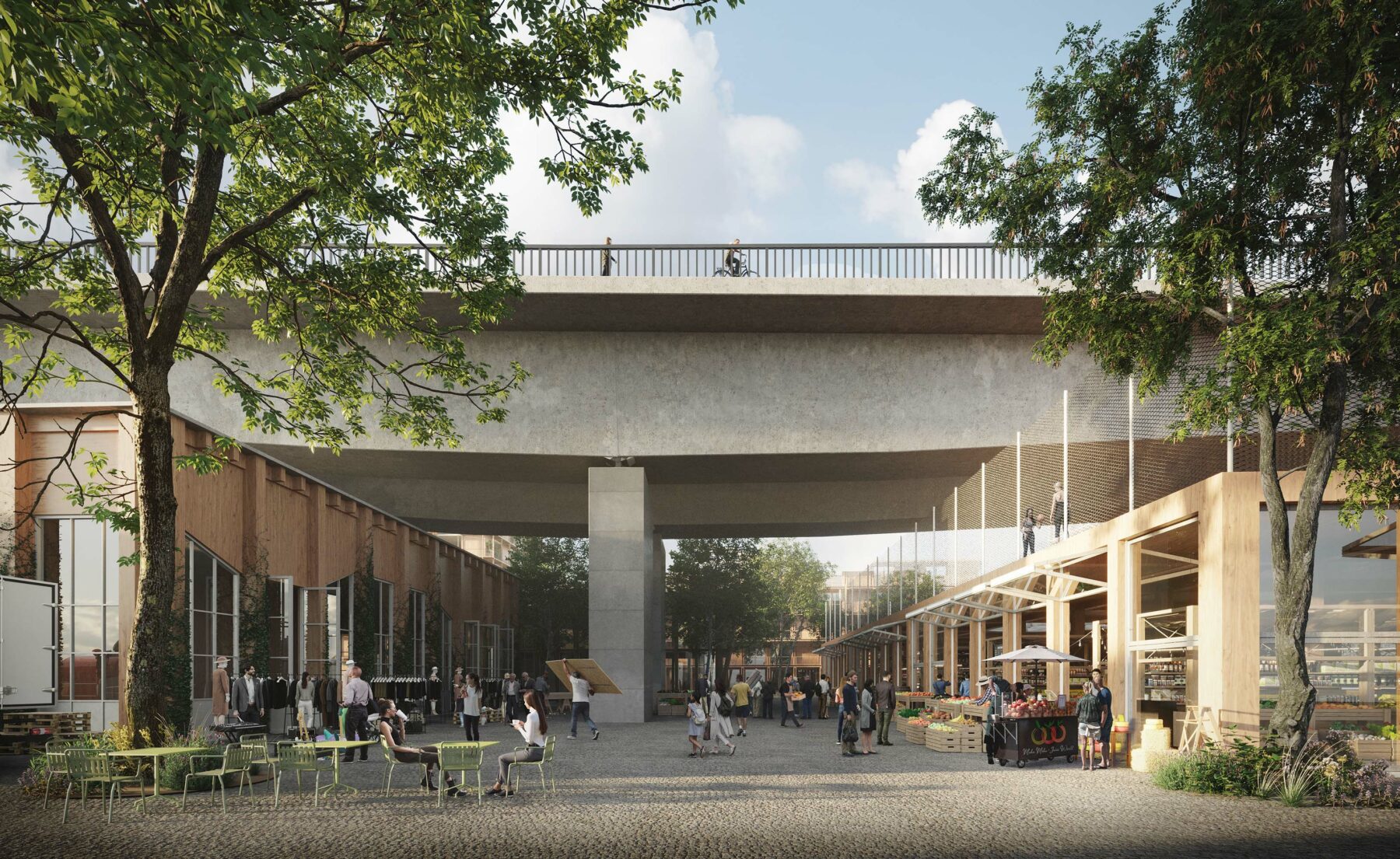
Each subarea is given its own character and program, while a coherent network of routes, squares, and green spaces ensures strong connections between the different parts of the district. The new high-rise development at Brückenkopf West forms the urban gateway to the area, marking the transition between the station, the city, and the riverside landscape. Around the Ryff Factory, an experimental urban environment emerges where creative industries, sports, and small-scale businesses reinforce one another. The historic Gaskessel remains the cultural heart of the district and serves as an important gathering place for the city.
Uses and social function
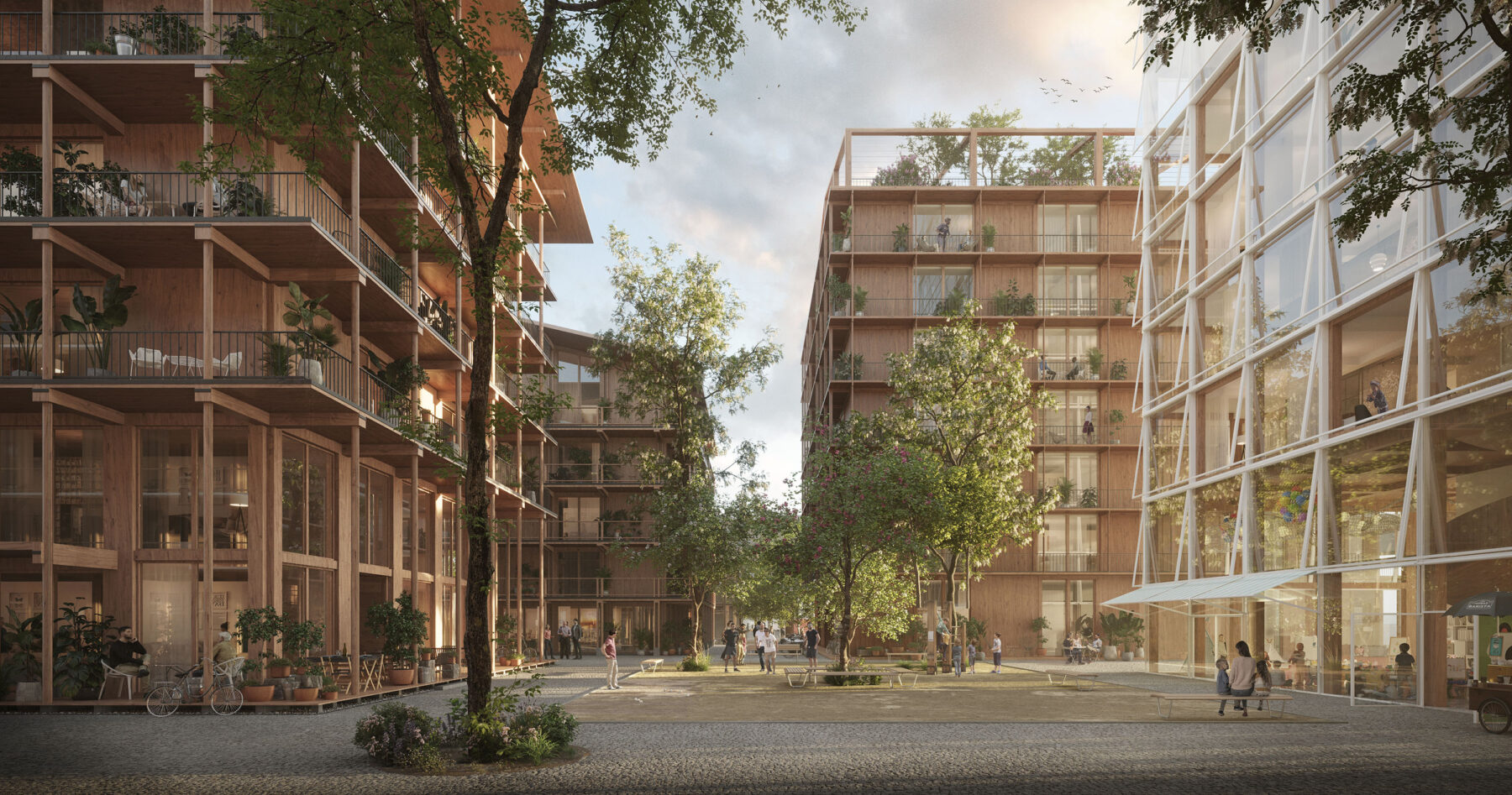
Gaswerkareal is being developed as a diverse urban district where housing, culture, entrepreneurship, education, sports, and recreation complement one another. A strong mix of functions ensures activity throughout the day and creates an inclusive environment for a wide range of users. The residential program is aimed at a broad mix of residents, with particular attention to families, young people, seniors, and forms of collective living. Low-traffic residential streets, shared outdoor spaces, and communal facilities encourage interaction and strengthen social cohesion within the district.
The ground floors of buildings are actively programmed with studios, workshops, cafés and restaurants, neighborhood facilities, and cultural functions. Flexible spaces allow uses to adapt over time to changing needs. This creates a dynamic environment where experimentation, entrepreneurship, and creativity take center stage. The Ryff Factory acts as a catalyst for innovative businesses, makers, and cultural initiatives, while the Gaskessel provides space for events, film, culture, and community activities.
The plan also establishes a network of public spaces at different scales. From intimate neighborhood squares to larger event grounds along the river, opportunities are created throughout the area for social interaction, recreation, and temporary uses. As a result, a vibrant urban landscape emerges that can continue to evolve over time.


Landscape, sustainability and climate adaptation
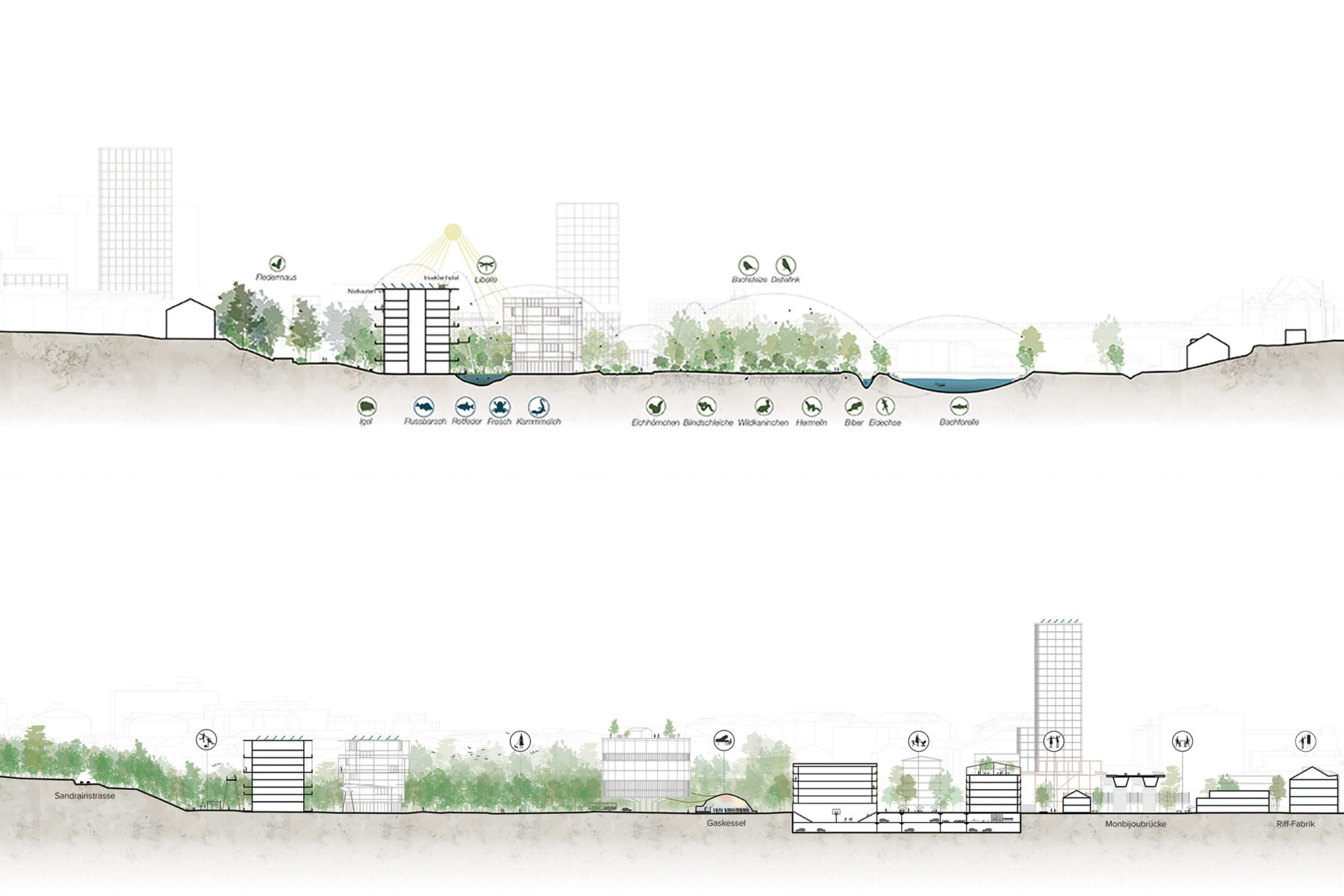
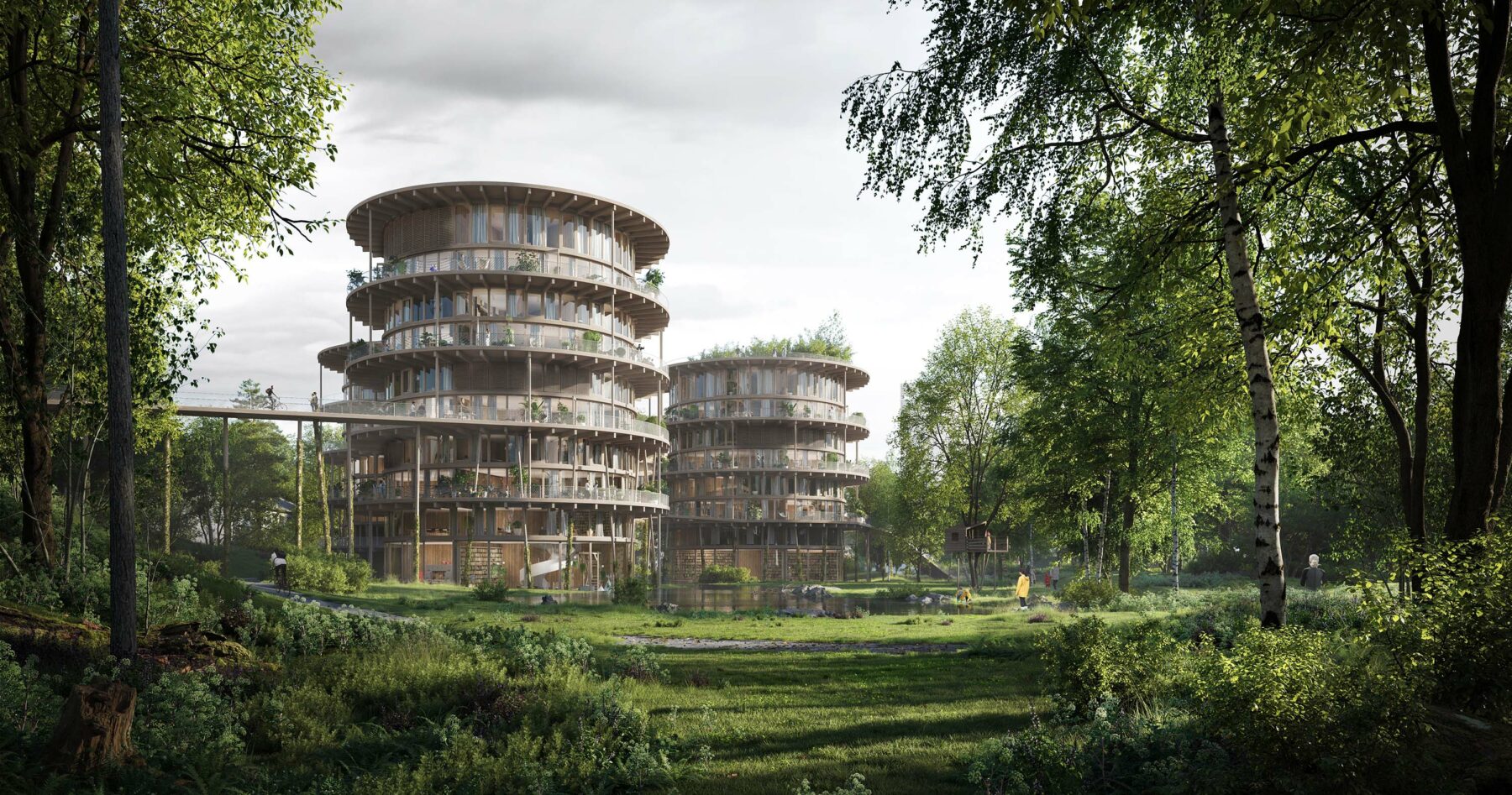
Landscape forms the foundation of the master plan. The existing ecological qualities of the Aare landscape are strengthened through new nature development, the expansion of forest areas, and the creation of additional water structures. Existing valuable trees are largely preserved and complemented with new planting, creating a robust green framework that supports biodiversity and climate adaptation.
The plan restores the relationship between the city and the river by giving water a more prominent role within the area. New ponds, natural habitats, and flood-resilient landscapes enhance ecological richness and reinforce the characteristic riverbank environments of the Aare. This creates a diverse ecosystem comprising forests, wetland biotopes, open grasslands, and recreational spaces.
The green framework is combined with an extensive network of recreational routes, playgrounds, sports facilities, and public gathering spaces. Open areas along the river provide opportunities for events, relaxation, and cultural activities, while natural zones ensure tranquility and biodiversity. In this way, the landscape functions both as an ecological backbone and as a social meeting place for residents and visitors.
Process and collaboration
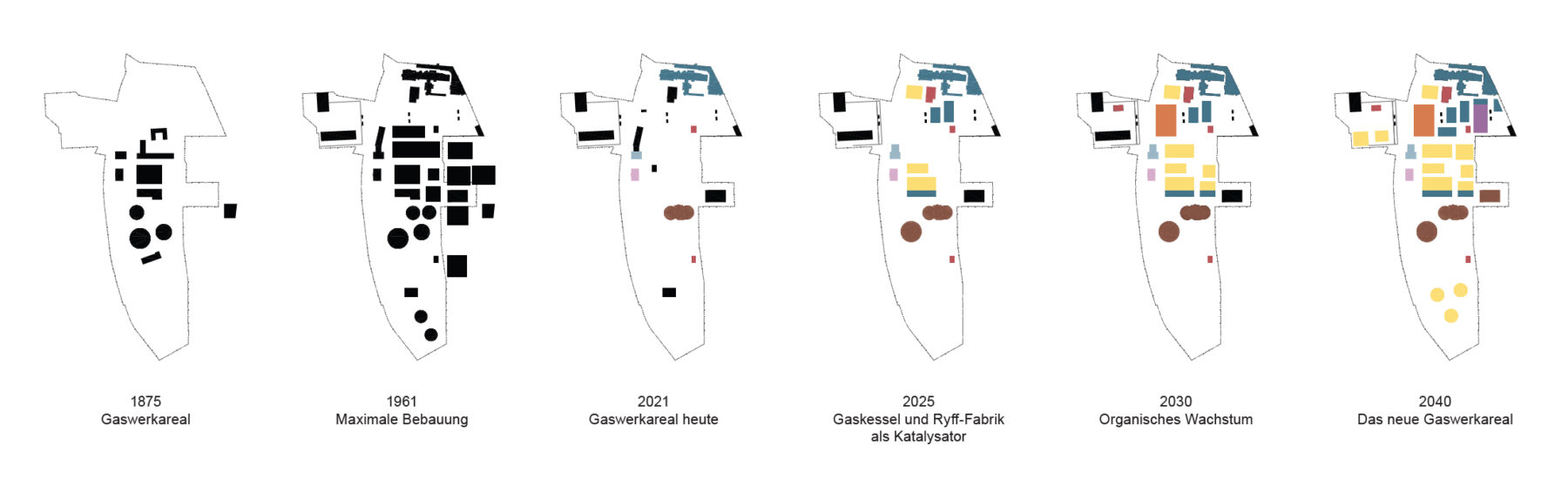
The vision for Gaswerkareal has been conceived as a flexible development framework that allows for organic growth. Inspired by the historical evolution of the gasworks, the area will be transformed in phases, preserving existing functions wherever possible while enabling new initiatives to emerge gradually. By dividing the site into several subareas, developments can proceed independently without compromising the coherence of the overall vision.
Culture, entrepreneurship, sports, and community building act as catalysts for this transformation. The plan provides space for temporary uses, experimentation, and participatory initiatives, ensuring that not only the final outcome but also the development process itself contributes to the area’s identity. In this way, Gaswerkareal will evolve into a future-proof urban district where nature, heritage, and urban life reinforce one another.
Want to learn more about this project?
Robbert Jan would be happy to tell you more about it.