Leppävaara
- City centre
- Area vision
- Masterplan
- Urban design plan

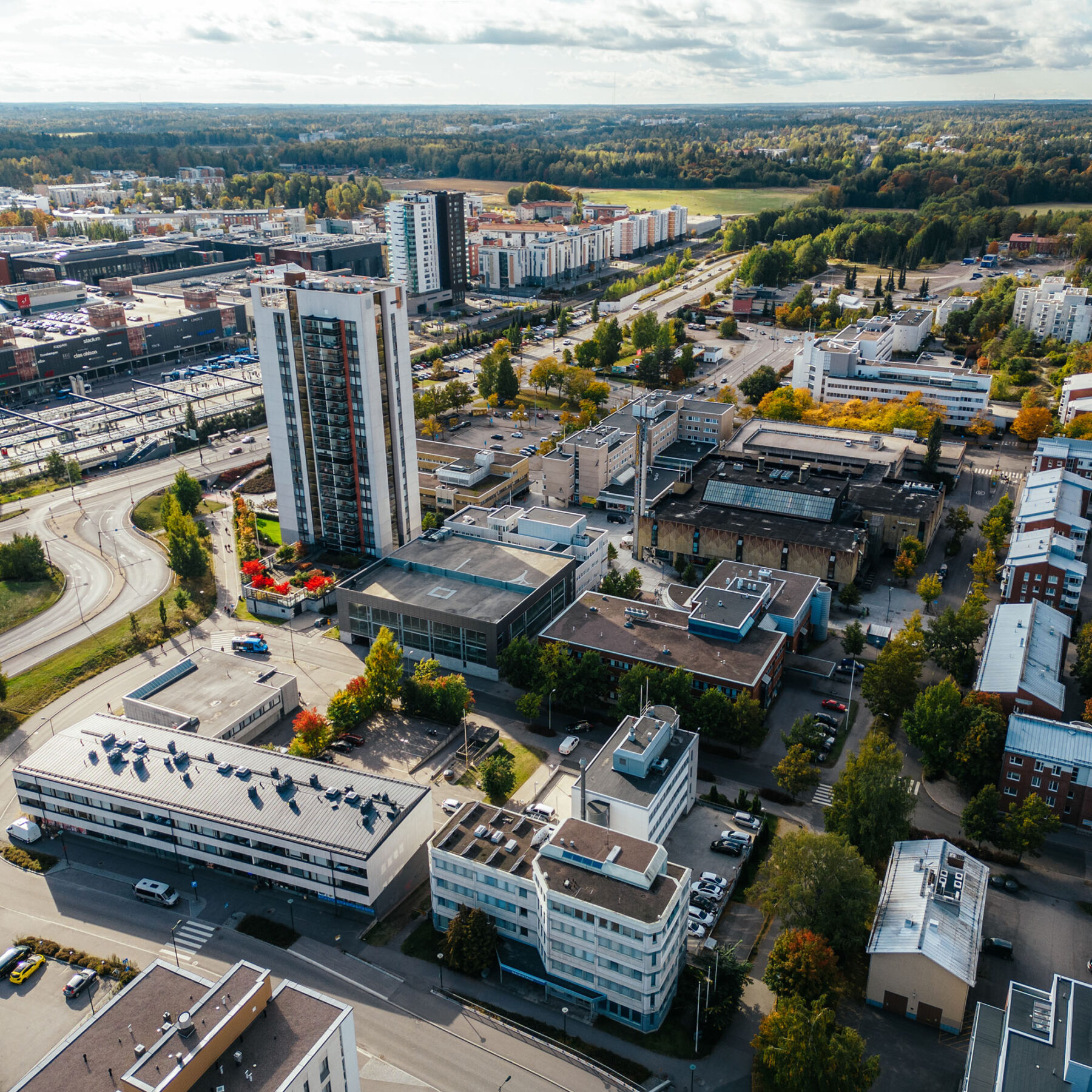
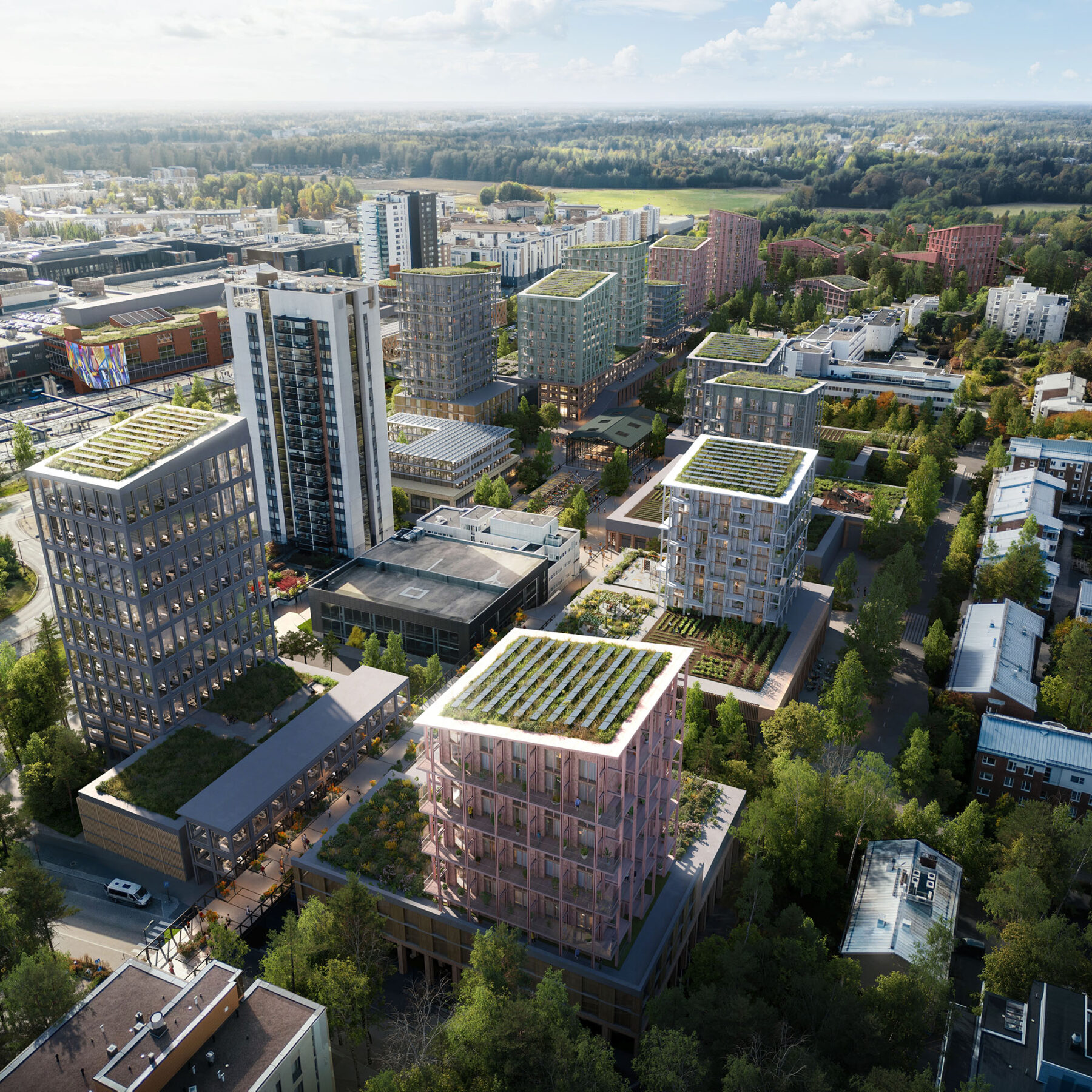
Design and development
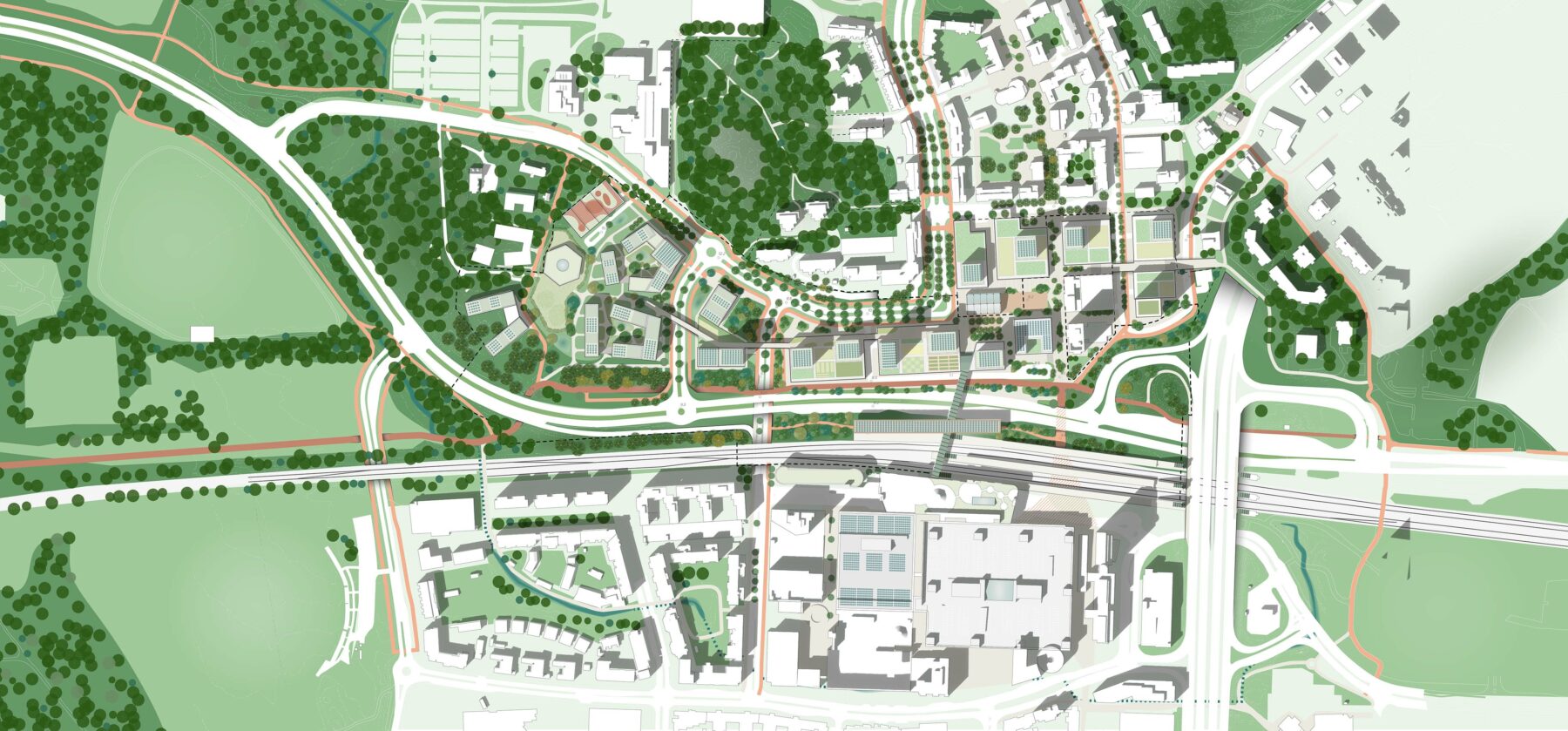
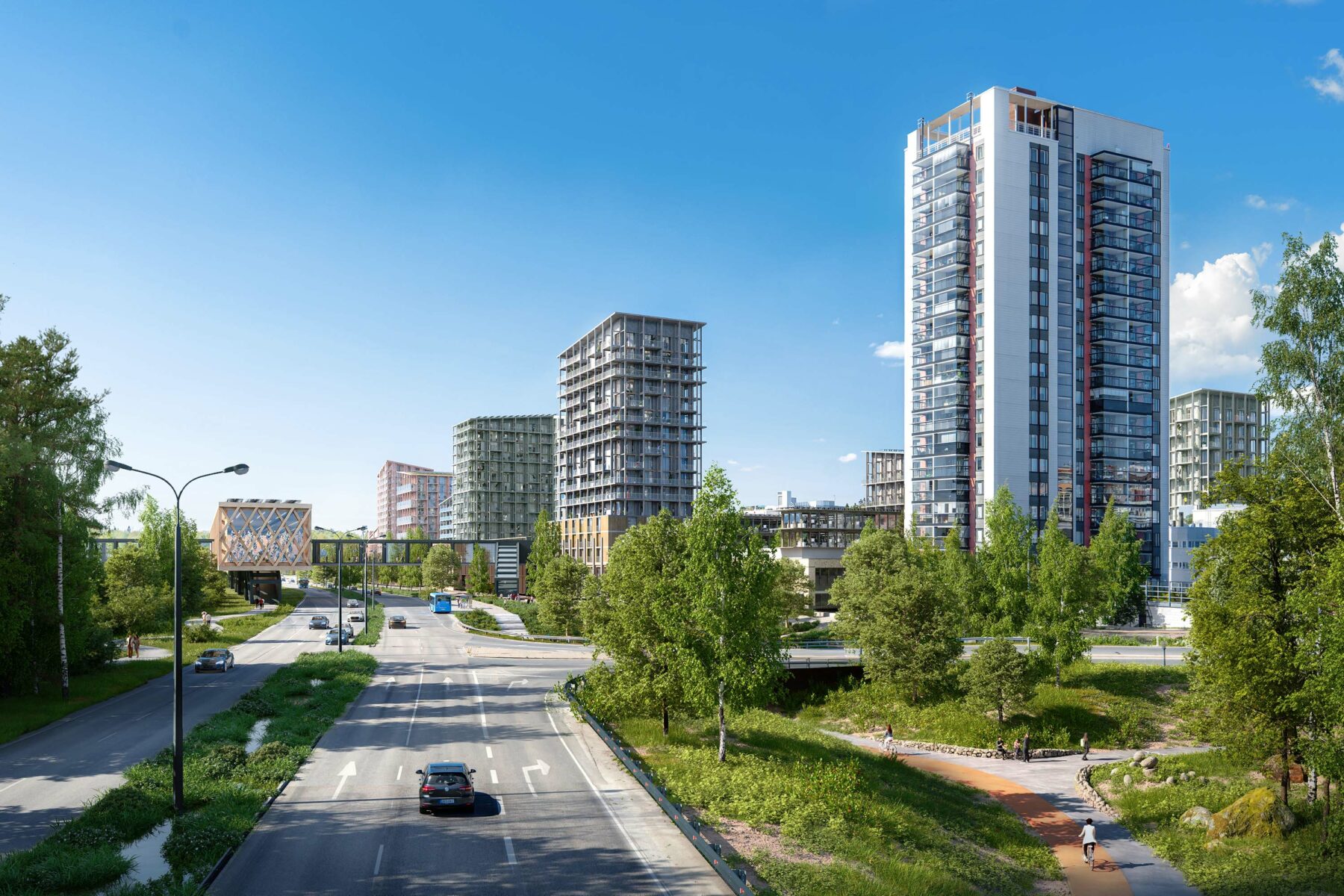
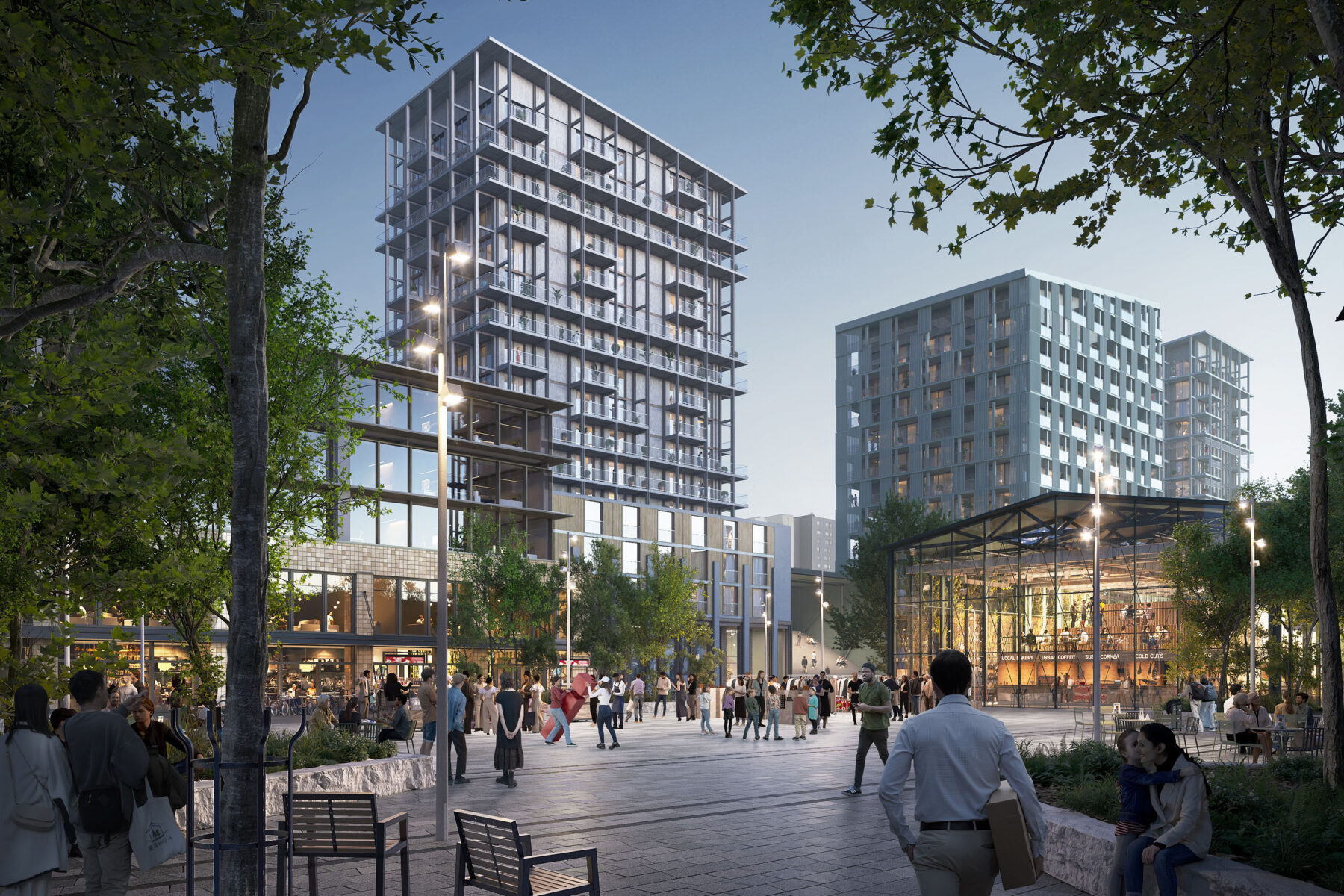
A fine-grained network of pedestrian and cycling routes forms the backbone of the plan, prioritising active mobility over car traffic. Squares, streets, and public spaces are designed as attractive places to stay, featuring active ground floors, flexible programmes, and strong connections to public transport.
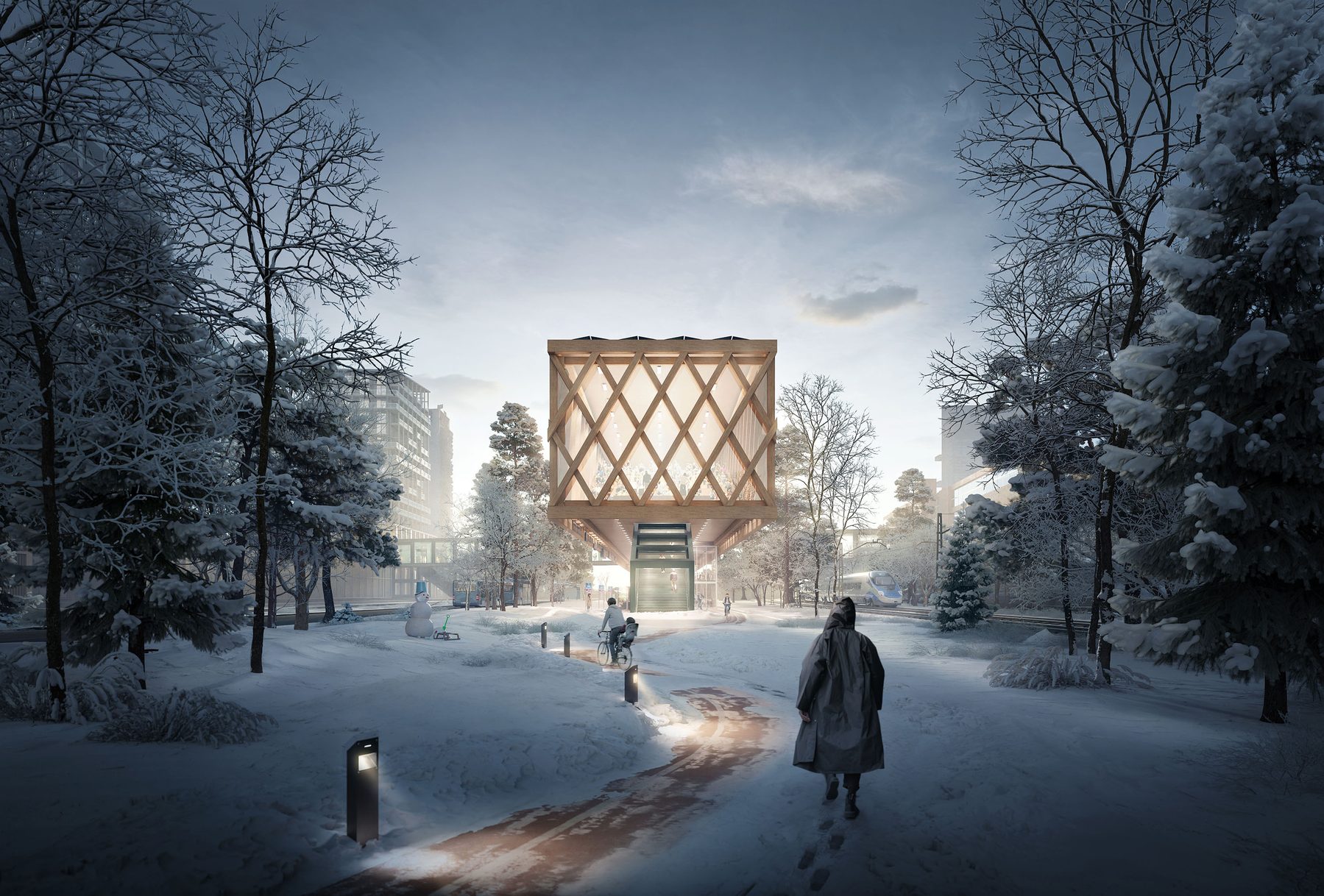
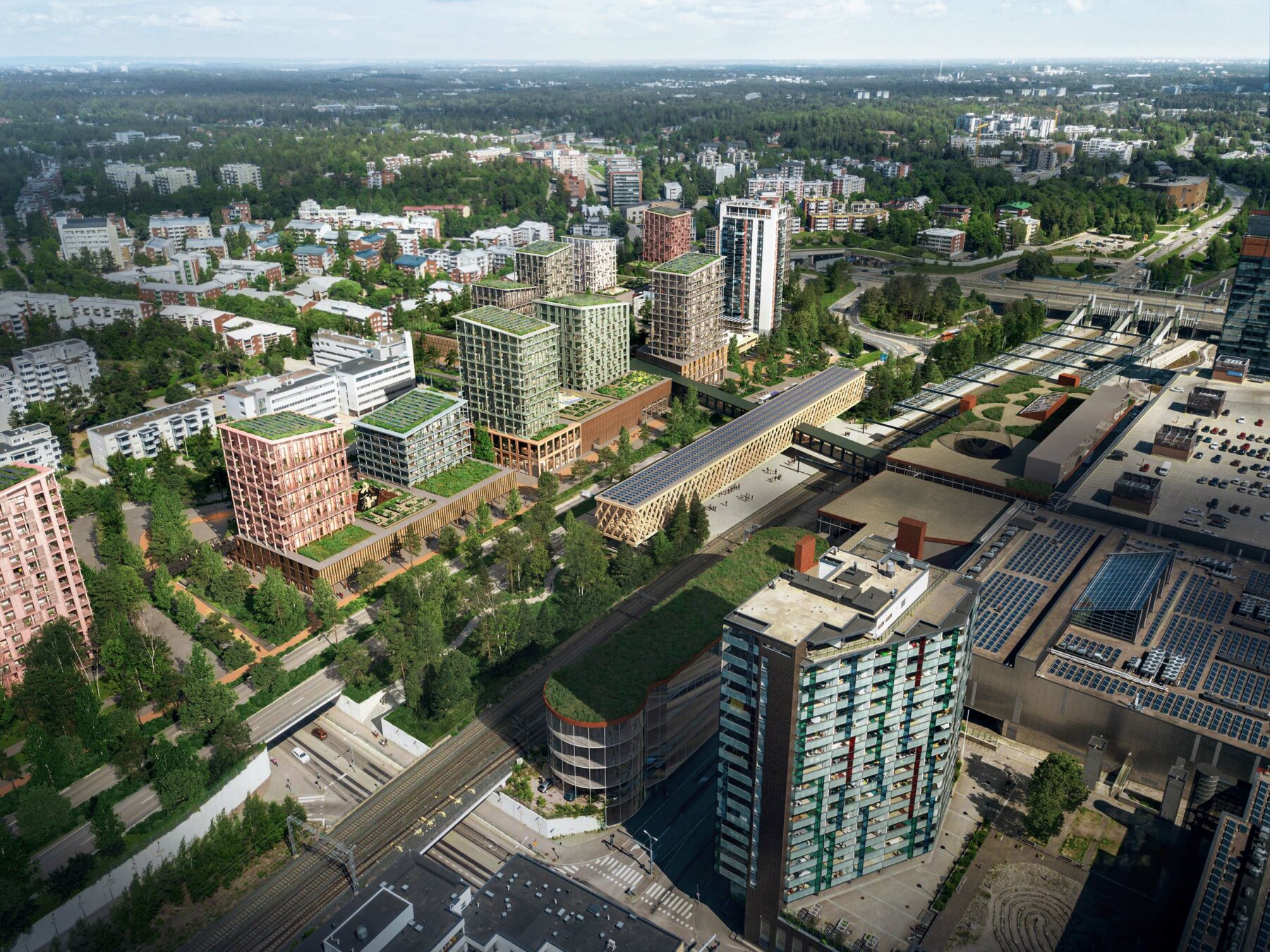
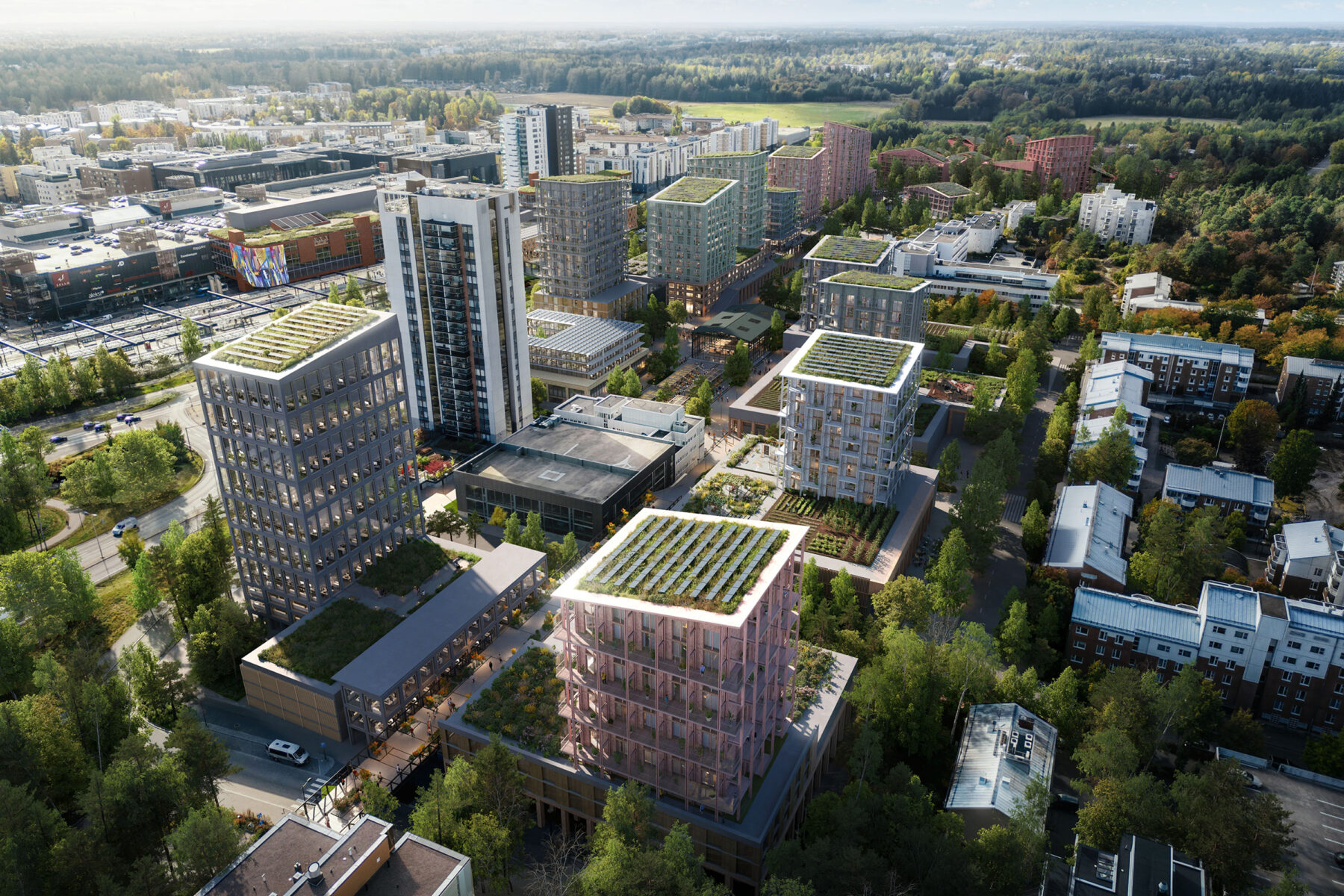
At the heart of the plan lies the Superplus: a hybrid public structure that brings together public transport, cycling facilities, workplaces, event spaces, and public amenities within a single connected urban hub. The Superplus functions both as a mobility node and as a social landmark, linking different parts of the town centre through an elevated public network.
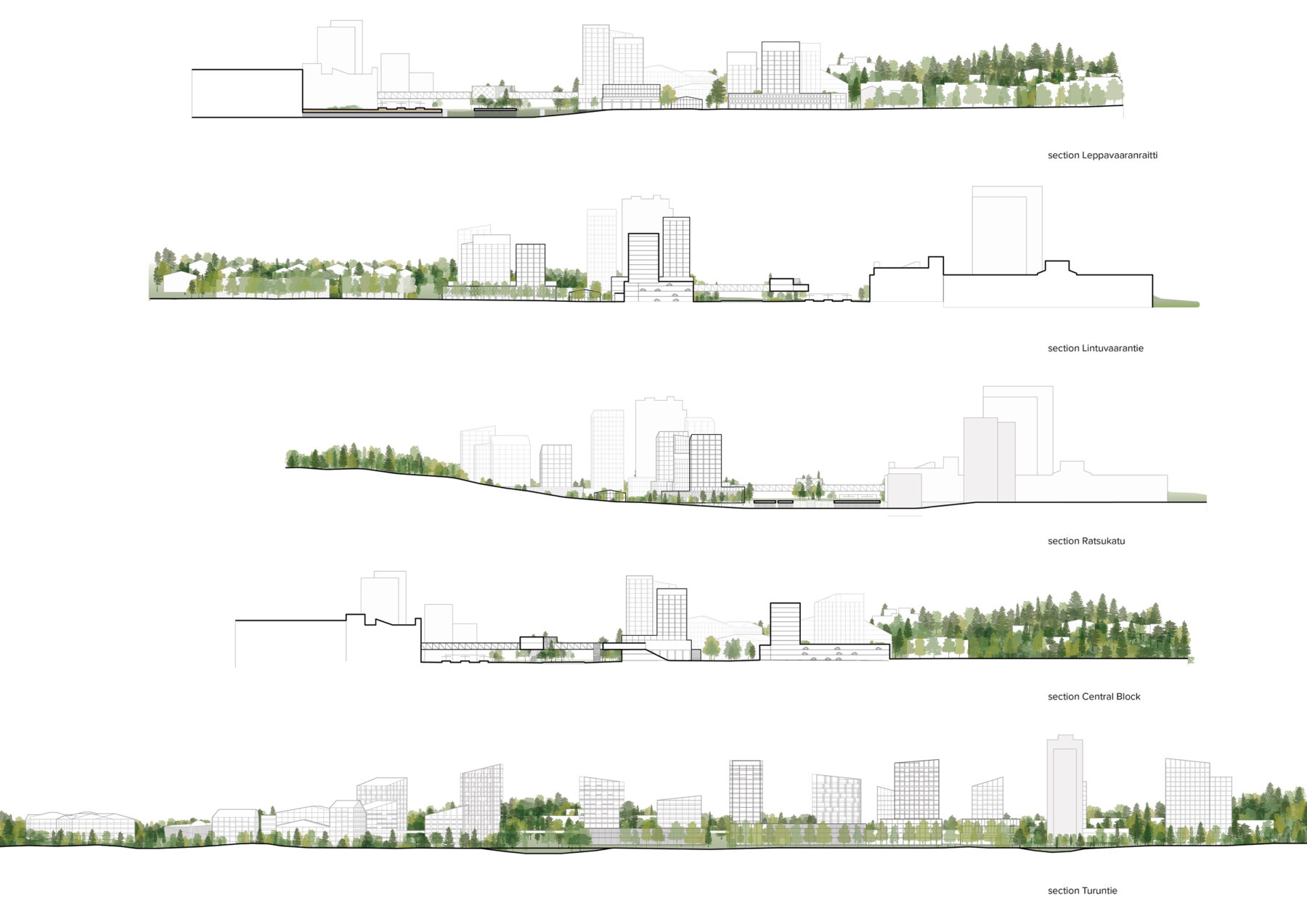
New residential and mixed-use blocks frame the public realm and create a gradual transition between the surrounding neighbourhoods and the more compact urban centre. Variations in building heights, materials, and typologies establish a diverse and recognisable urban identity that responds to the landscape and the architectural character of Leppävaara.


Use and social function
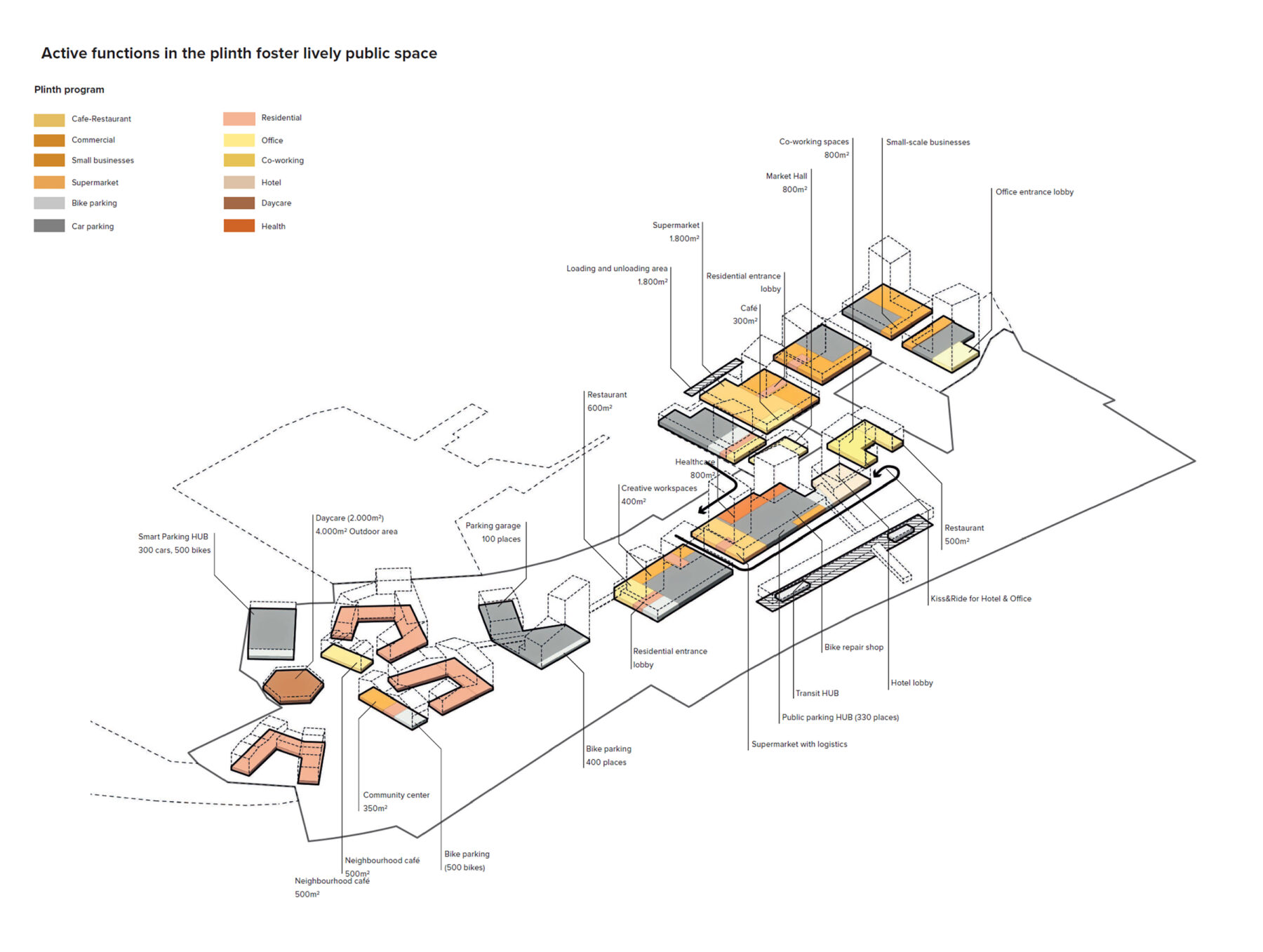
Leppävaara is being developed as a vibrant mixed-use urban district where living, working, recreation, and social interaction come together. A wide range of public functions and amenities will create an active urban environment throughout the day and across all seasons.
The central public spaces around Läkkitori and the Superplus provide opportunities for markets, events, cultural activities, restaurants, cafés, and community facilities. Smaller squares, rooftop gardens, and shared spaces encourage social interaction and community engagement at various scales.
The central public spaces around Läkkitori and the Superplus provide opportunities for markets, events, cultural activities, restaurants, cafés, and community facilities. Smaller squares, rooftop gardens, and shared spaces encourage social interaction and community engagement at various scales.
Landscape, sustainability, and climate adaptation
Landscape and ecology form the foundation of the masterplan. Nearly half of the project area will be dedicated to green public space, creating a robust ecological framework that supports biodiversity, water management, and climate resilience.
The green network is integrated with a comprehensive stormwater management system that captures, stores, and infiltrates rainwater within the site. Existing valuable trees and forest structures will be preserved wherever possible and strengthened through new planting and ecological connections.
Green roofs, geothermal energy systems, solar power, and circular construction principles contribute to the ambition of creating a climate-neutral urban centre. Buildings are designed as flexible and adaptable structures capable of responding to future technological developments and changing patterns of use.
The integration of green spaces also contributes to a pleasant microclimate by reducing heat stress, providing shelter from wind, and creating attractive outdoor environments with both sunny and shaded areas throughout the year.
Process and collaboration
The urban masterplan for Manufacture provides the spatial framework for the continued development of the area surrounding La Manufacture and Rue du Grand-Pré. The plan brings together the ambitions to create a new cultural urban district where education, urban life, and ecology reinforce one another.
The vision offers an integrated framework for architecture, public space, mobility, and landscape. In collaboration with stakeholders, the area will be further developed in phases into a cohesive and vibrant urban district with a strong cultural identity.
Would you like to learn more about this project?
Robbert Jan would be happy to tell you more.