Machinewerf
- Architectuur-concept
- Binnenstad
- Inrichtingsplan
- Stedenbouwkundig plan

Design and development
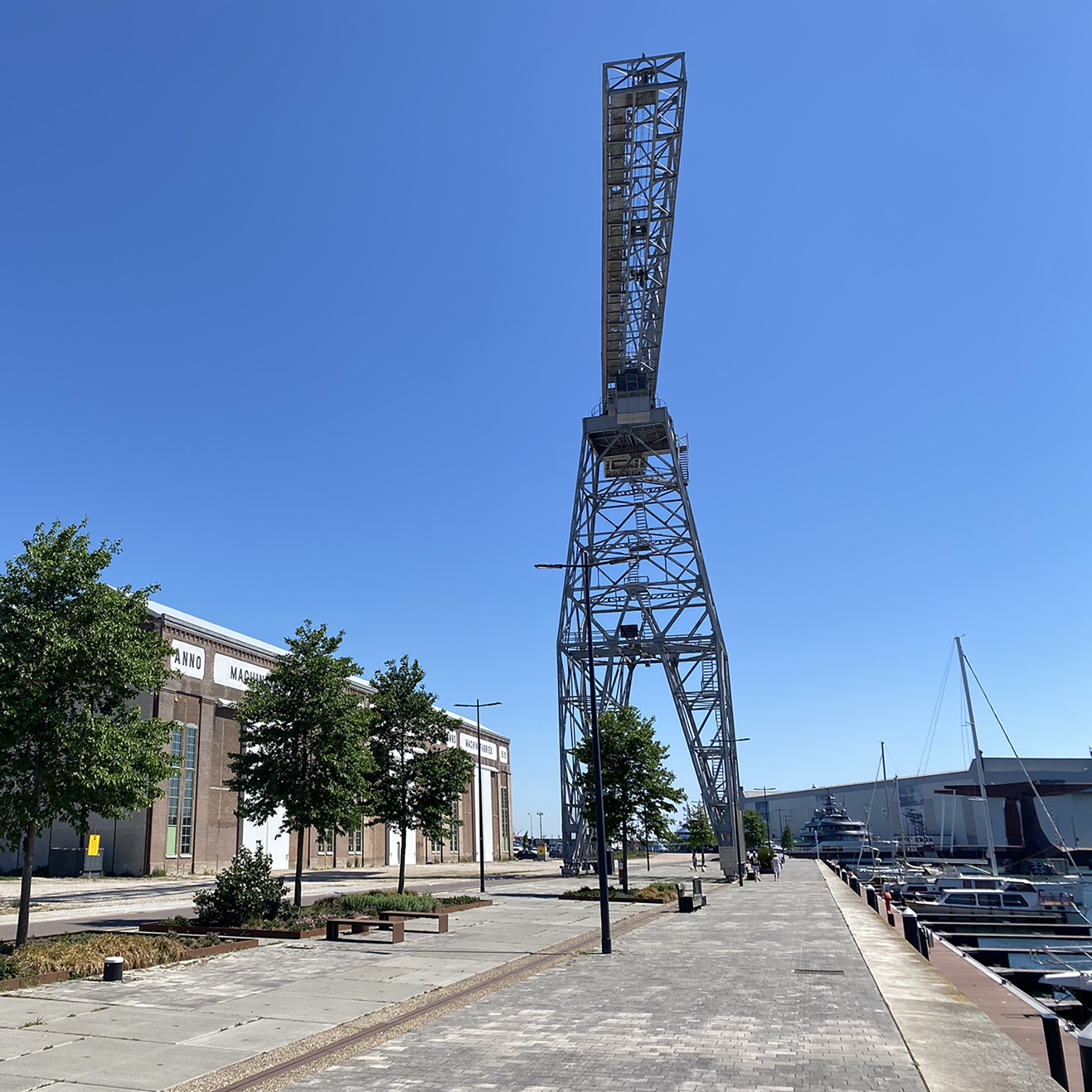
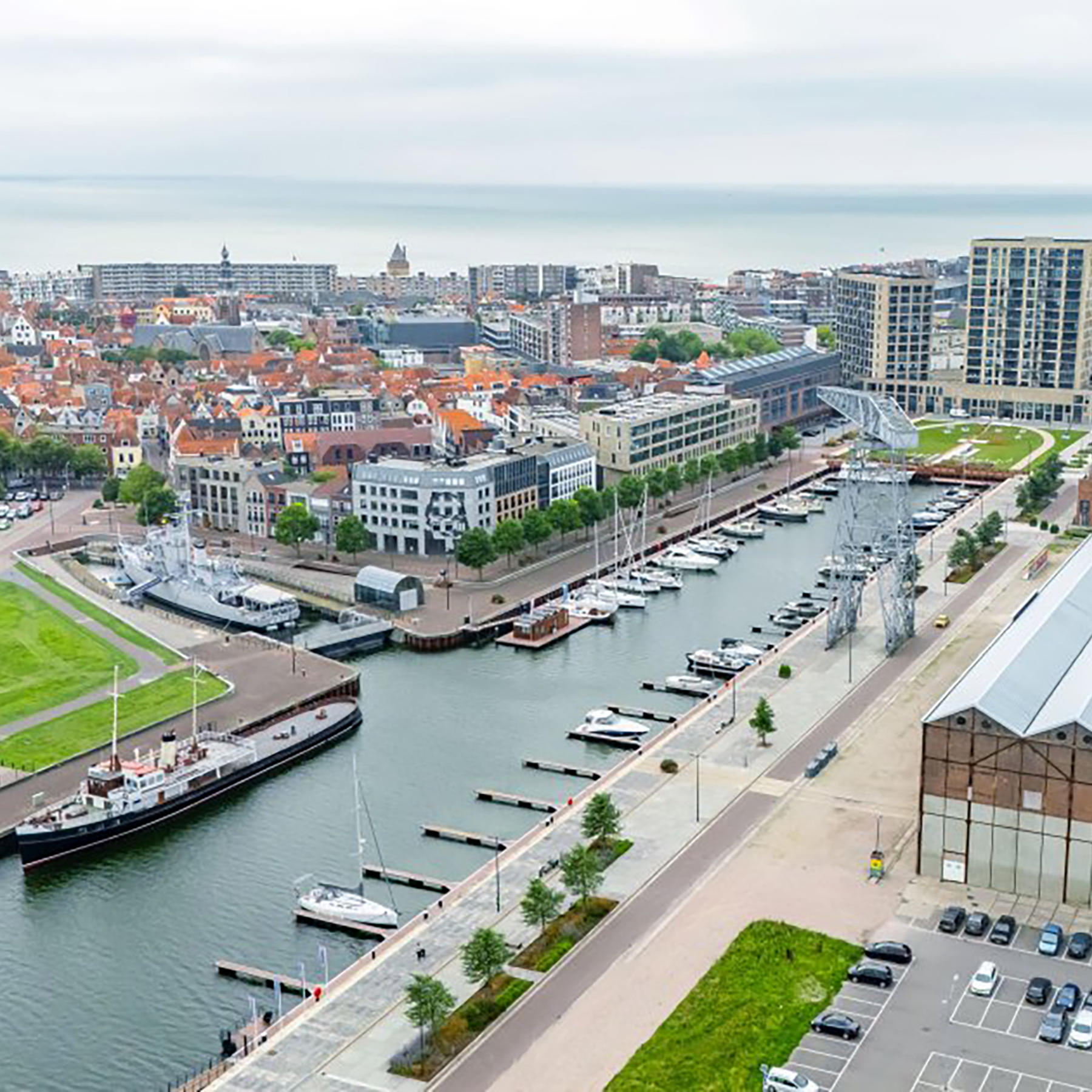
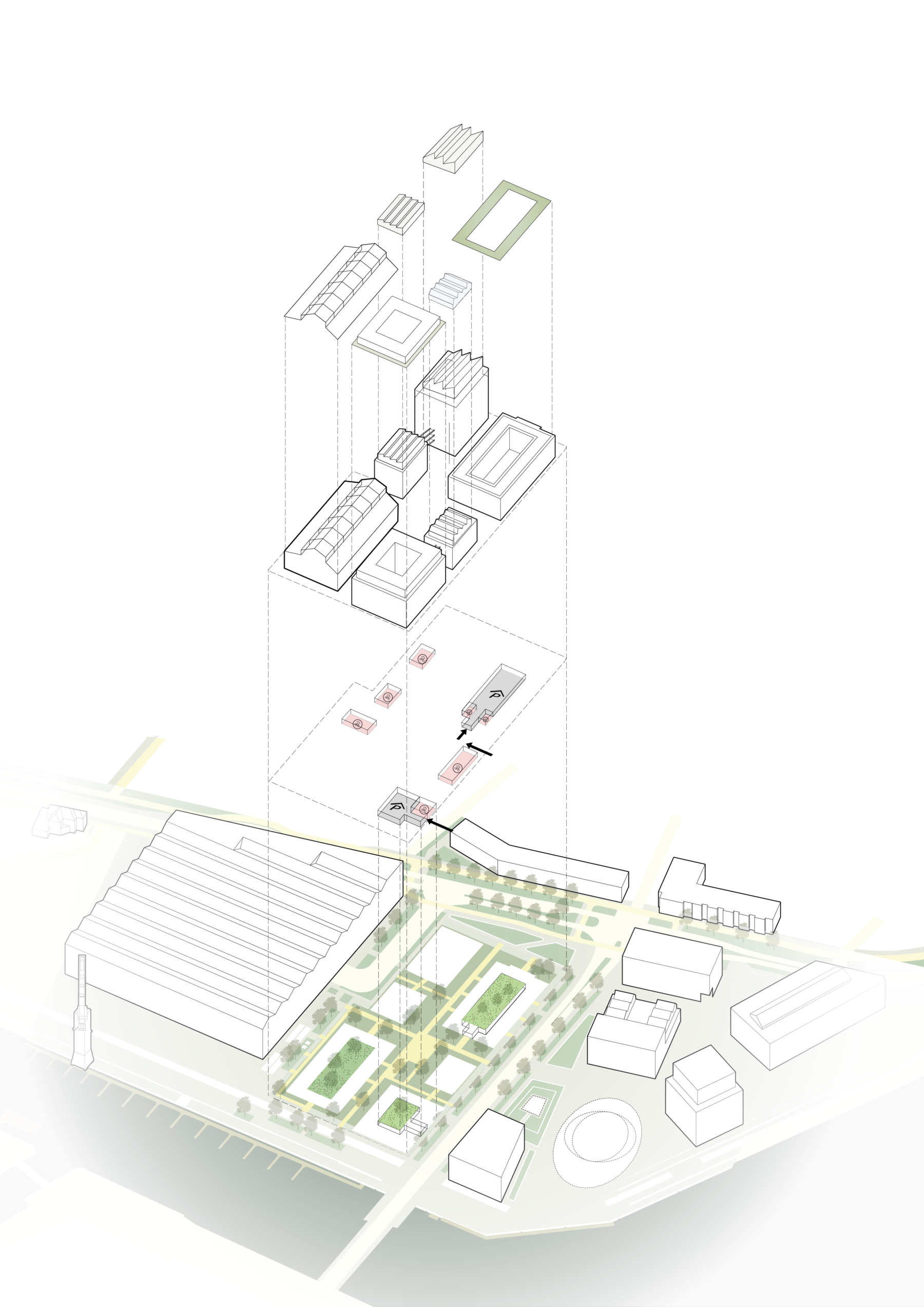
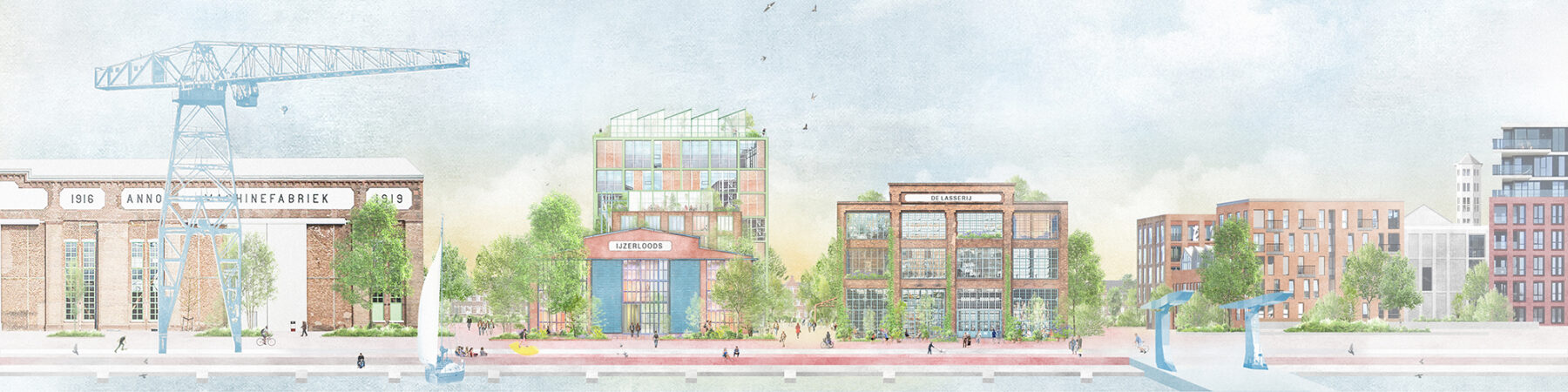
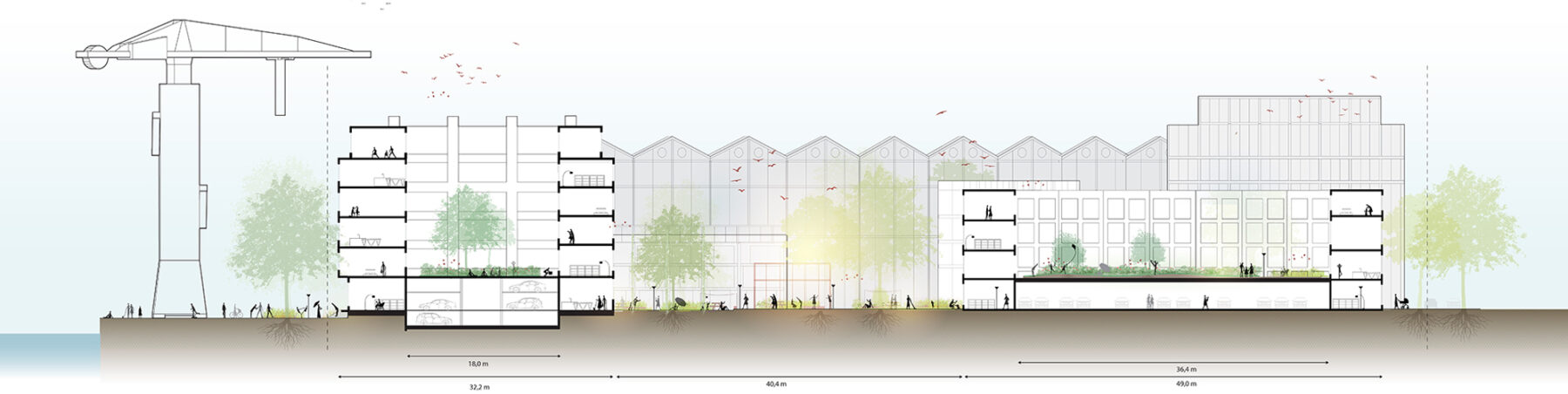
The urban plan is composed of an ensemble of residential buildings that together form a recognizable and varied neighborhood. The buildings differ in height, volume, and roof form, creating a rhythm that refers to the industrial roofscape of the historic shipyard.
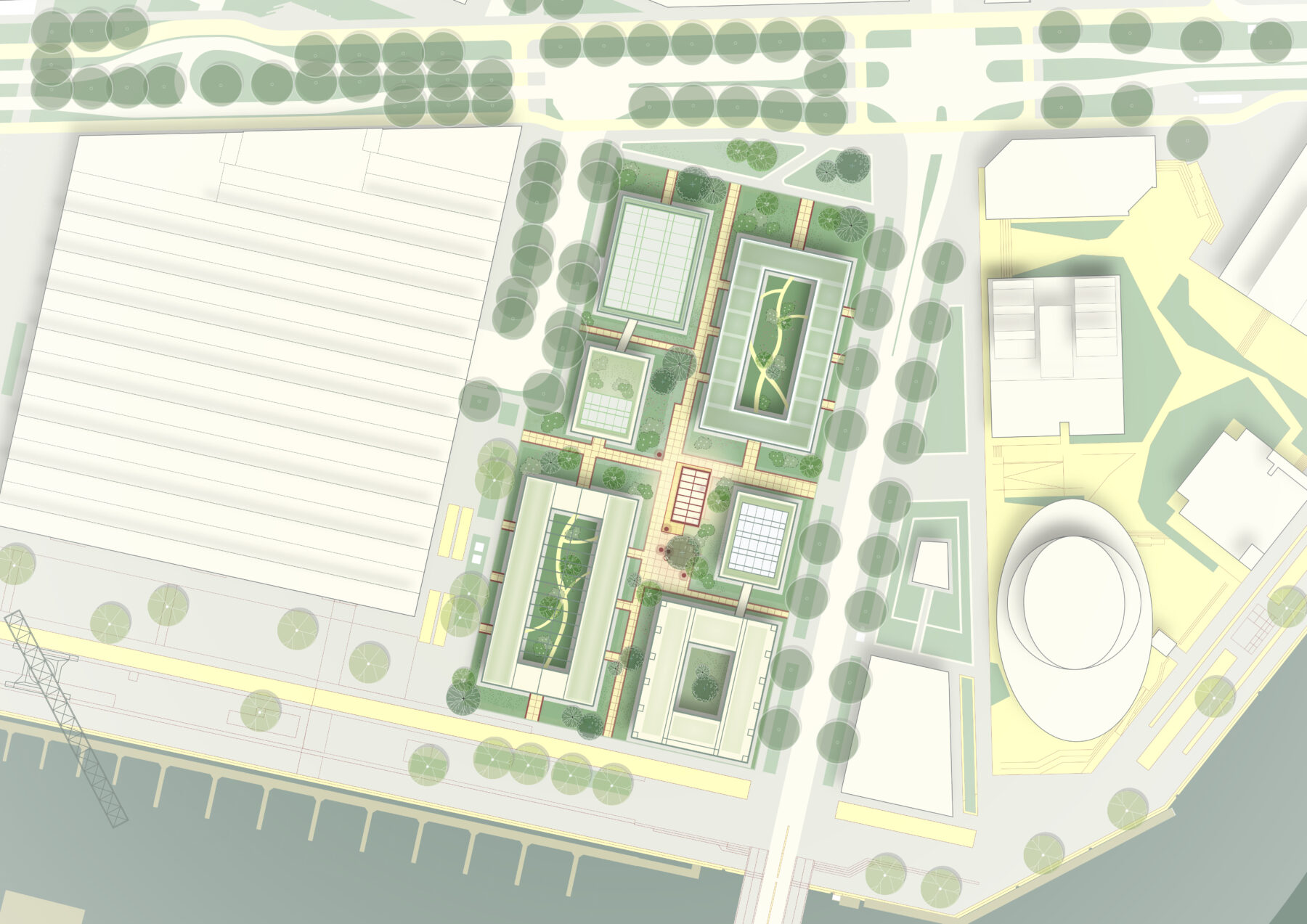
The buildings are arranged in an open block structure, allowing for sightlines, visual connections, and green spaces. This maintains the spatial relationship with the surrounding shipyard buildings and the waterfront quay. The buildings are designed as all-sided structures, with entrances and frontages oriented toward the surrounding public space.
Through variation in building heights and building lines, an urban ensemble is created that relates to the scale of the Machinefabriek while simultaneously providing a human scale for the new residential neighborhood.
Use and public Space
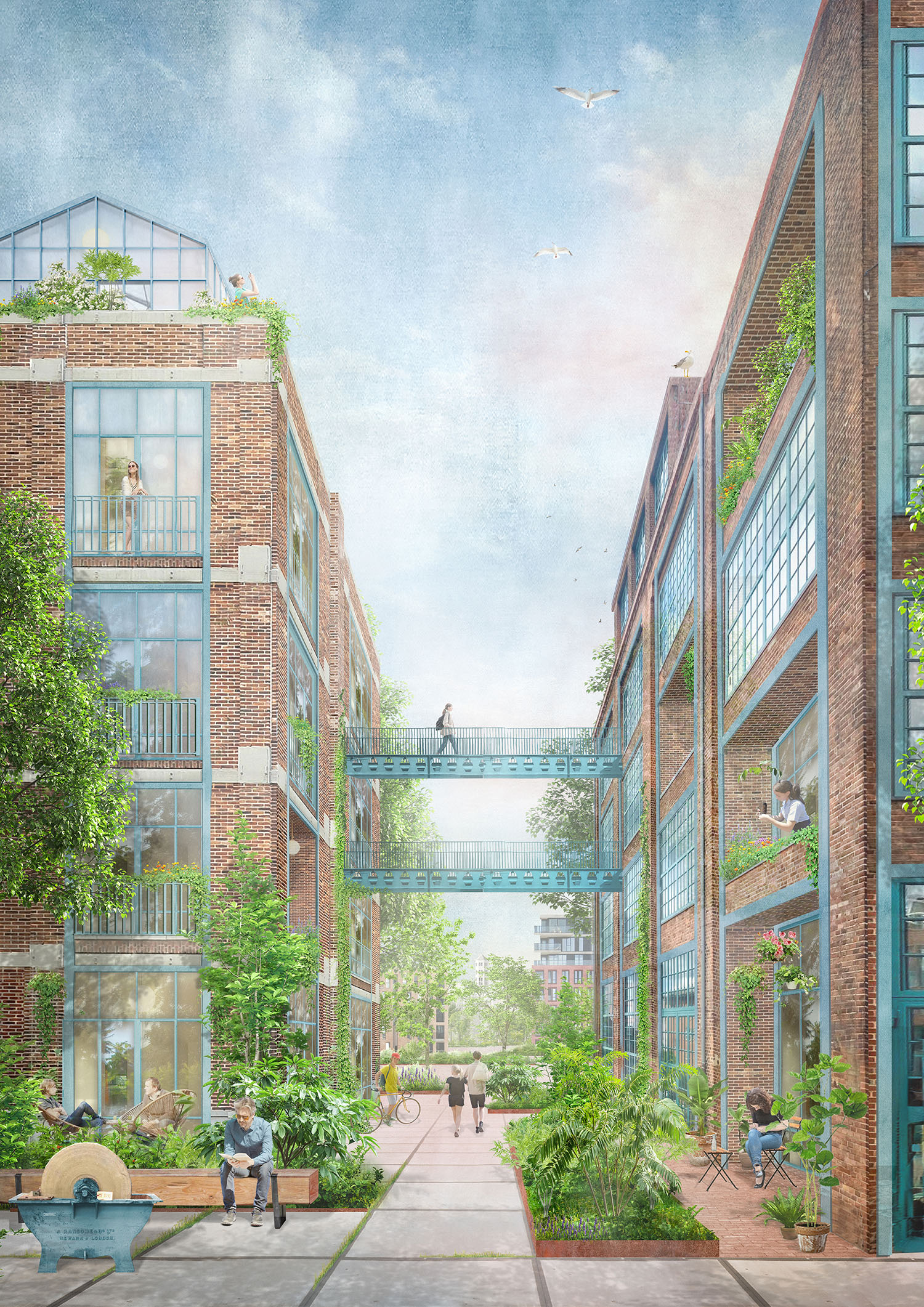
Between the residential buildings lies a green, low-traffic inner area that provides space for meeting, relaxation, and play. This collective space forms the heart of the neighborhood and encourages social interaction among residents.
The public space also functions as the connecting structure between the different parts of the Scheldekwartier. Routes for pedestrians and cyclists link the neighborhood to the waterfront, the Machinefabriek, and the surrounding residential areas. This creates a network of places and routes that anchors the new district within the broader structure of the area.
The combination of housing, collective outdoor spaces, and active ground floors creates a lively and future-proof living environment.


Landscape and climate
The design of the public space combines a robust urban structure with a green landscape. The green areas between the buildings create a pleasant microclimate and provide space for water retention and biodiversity.
Trees and planting strengthen the spatial structure of the plan while providing shade, cooling, and an attractive living environment. Rainwater is captured and infiltrated locally wherever possible, allowing the plan to contribute to a climate-resilient design of the Scheldekwartier.
WOULD YOU LIKE TO KNOW MORE ABOUT THIS PROJECT?
Nora Kooijmans will be happy to tell you about it.