Annapark

Design and Elaboration
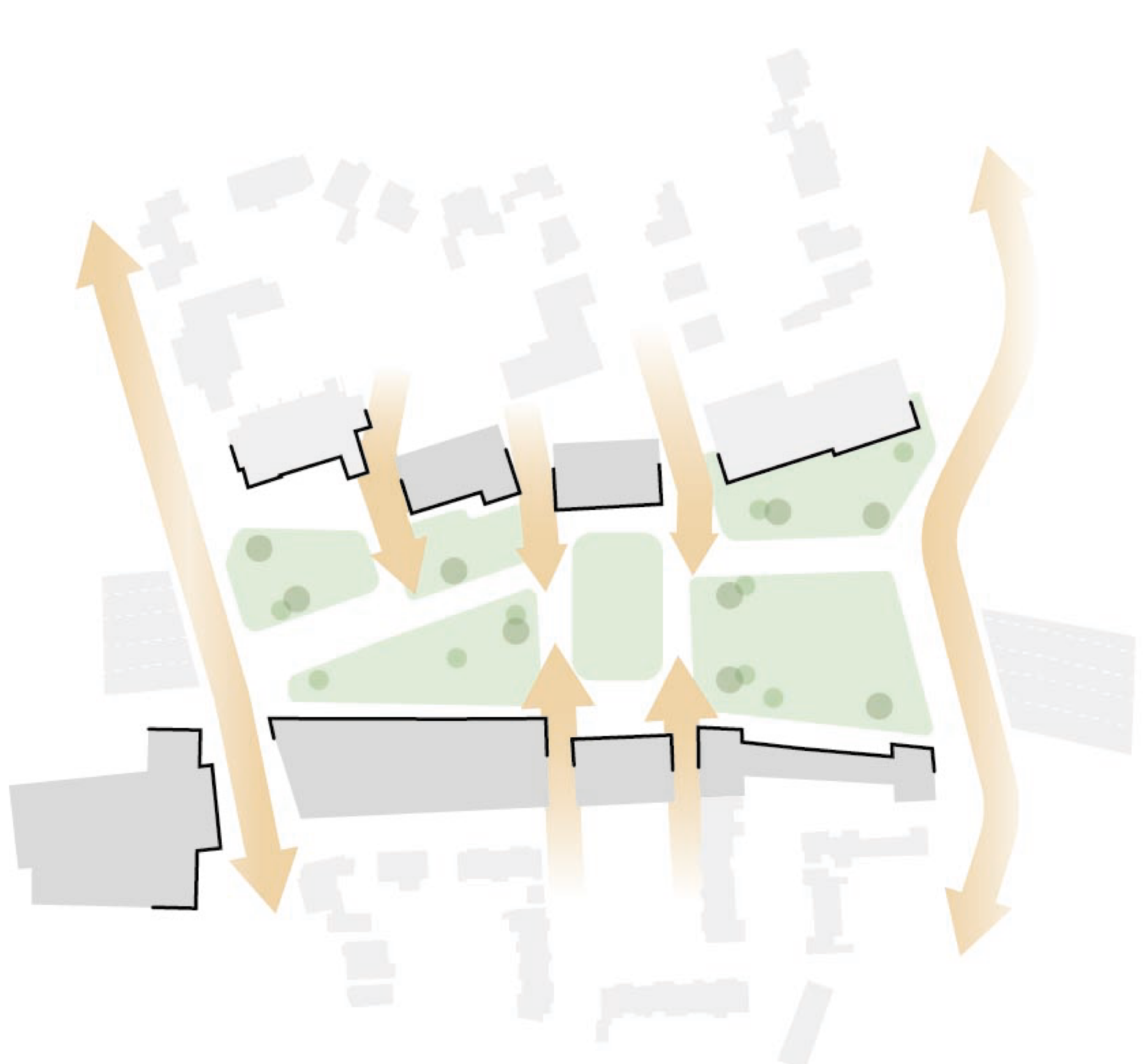
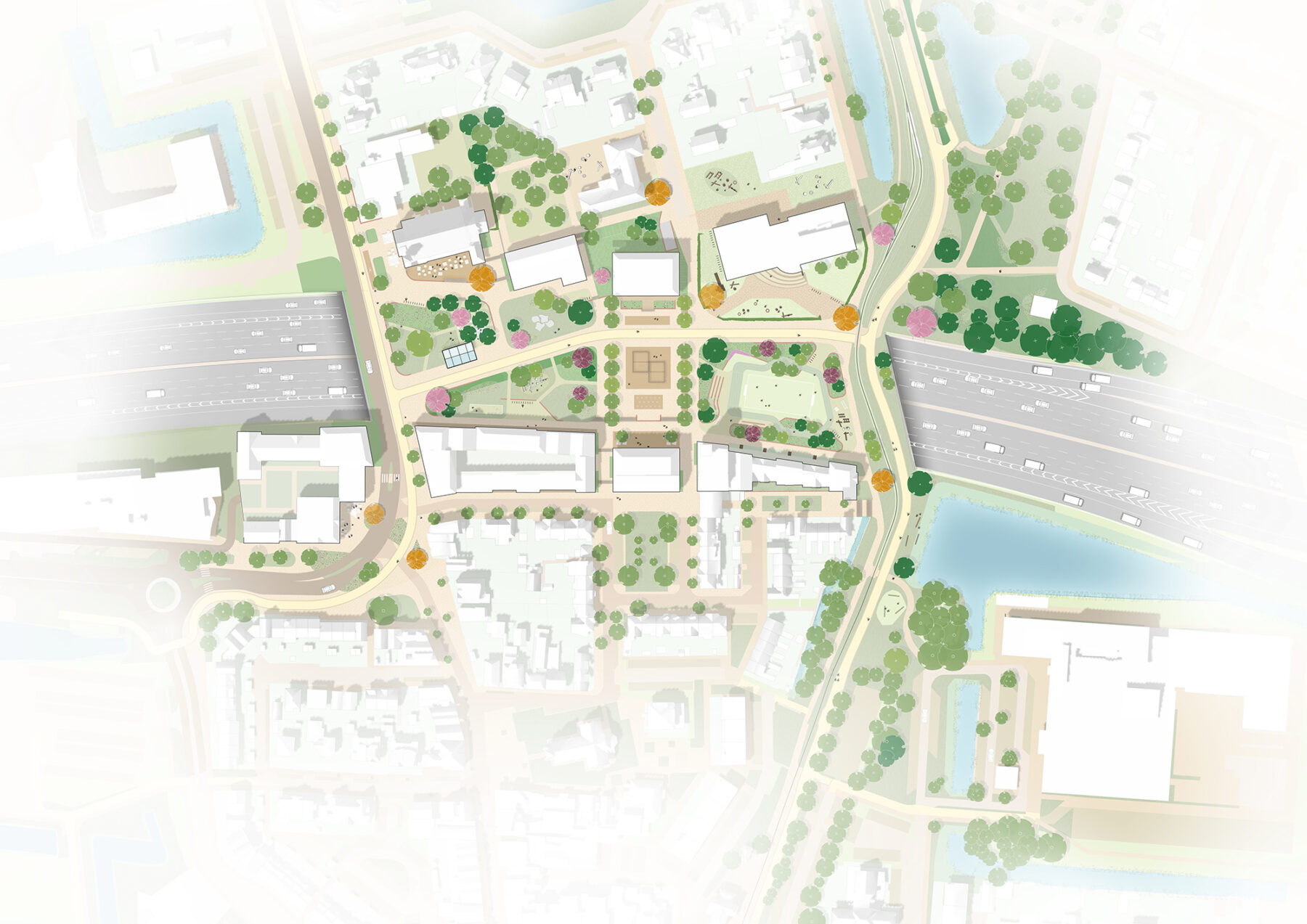
The urban design plan for Annapark is based on a clear spatial framework of routes and places to stay. New and existing walking and cycling routes form the structuring lines of the area and connect the park with the Old Village, Broersepark, and the city.
Between these lines, a series of green spaces and squares emerges, each with its own character. Together, they form a diverse park in which different types of use coexist. The design aligns with the small-scale, village-like character of the Old Village, featuring informal paths, brick paving, green courtyards, and a human scale.
New buildings along the edges of the park frame the large park space and create a gradual transition between the park and the existing village. Variation in building heights, staggered building lines, and sightlines results in a lively and varied park environment. The buildings orient their front façades toward the park and provide space for amenities that support everyday use.
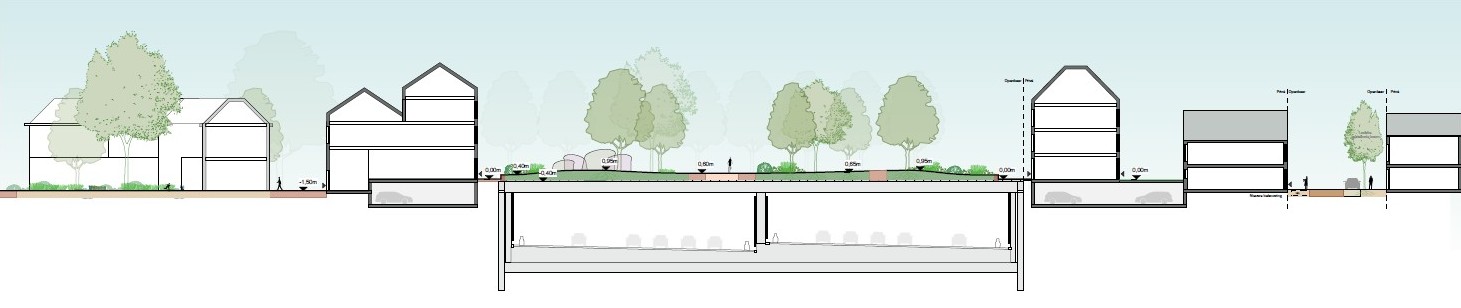
Current situation
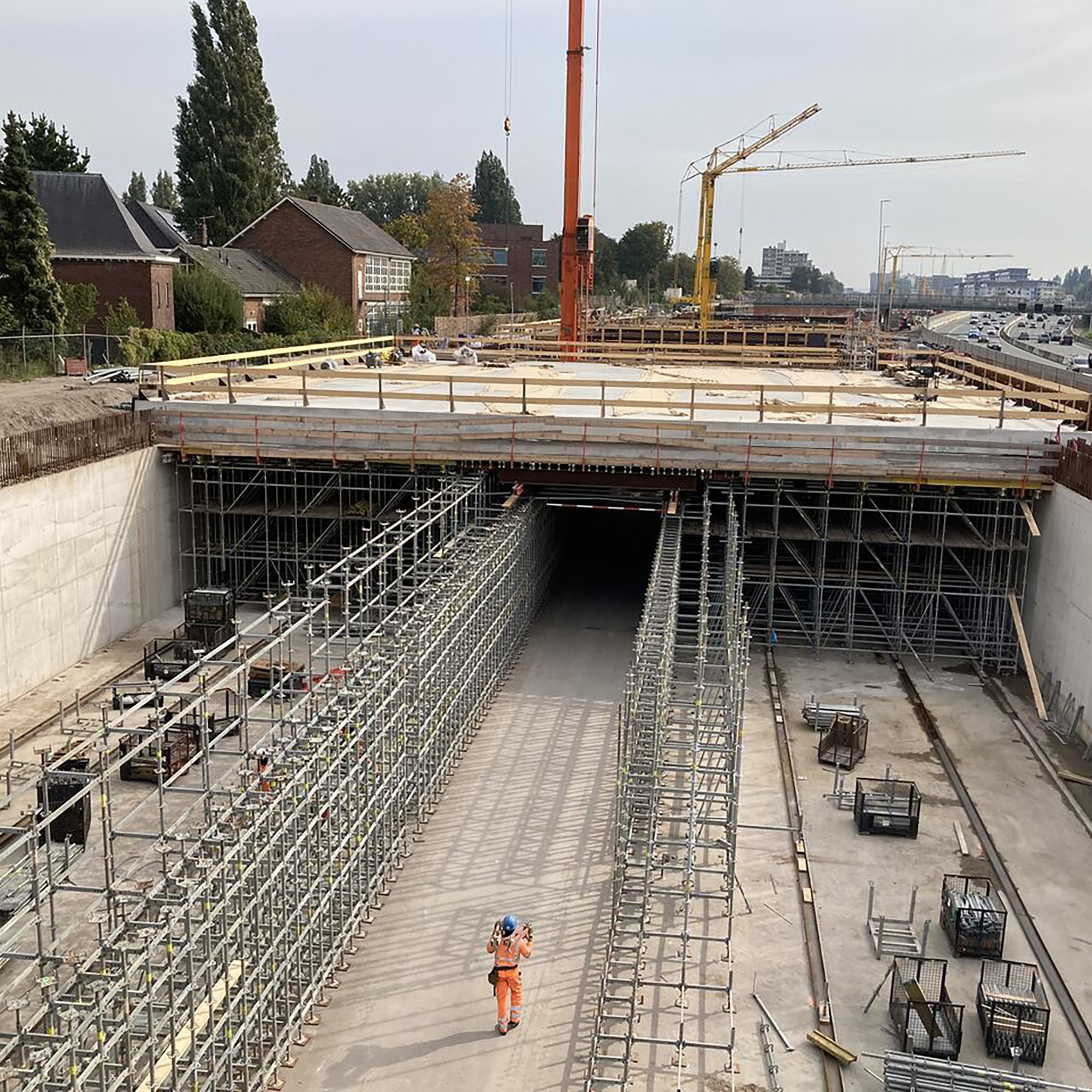
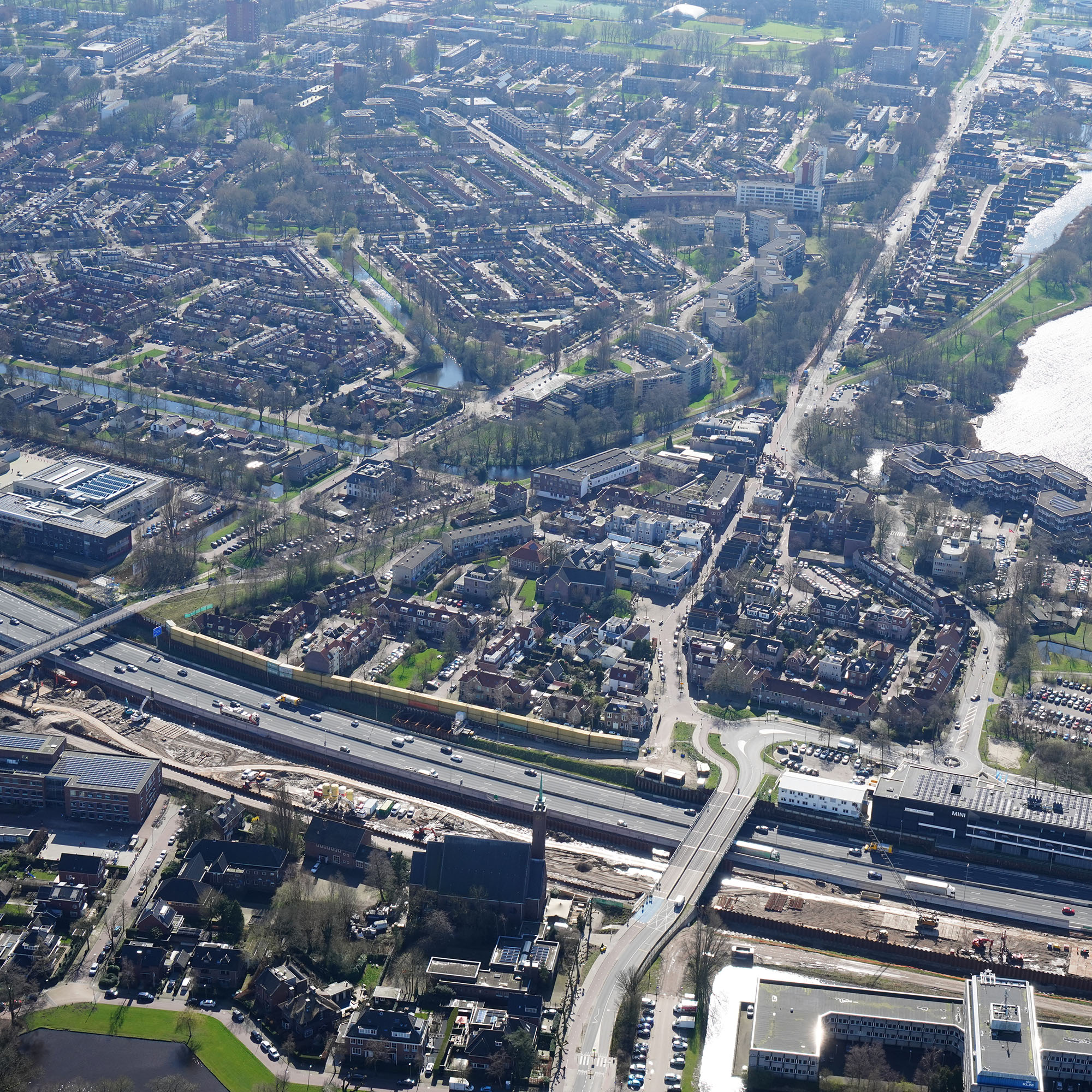
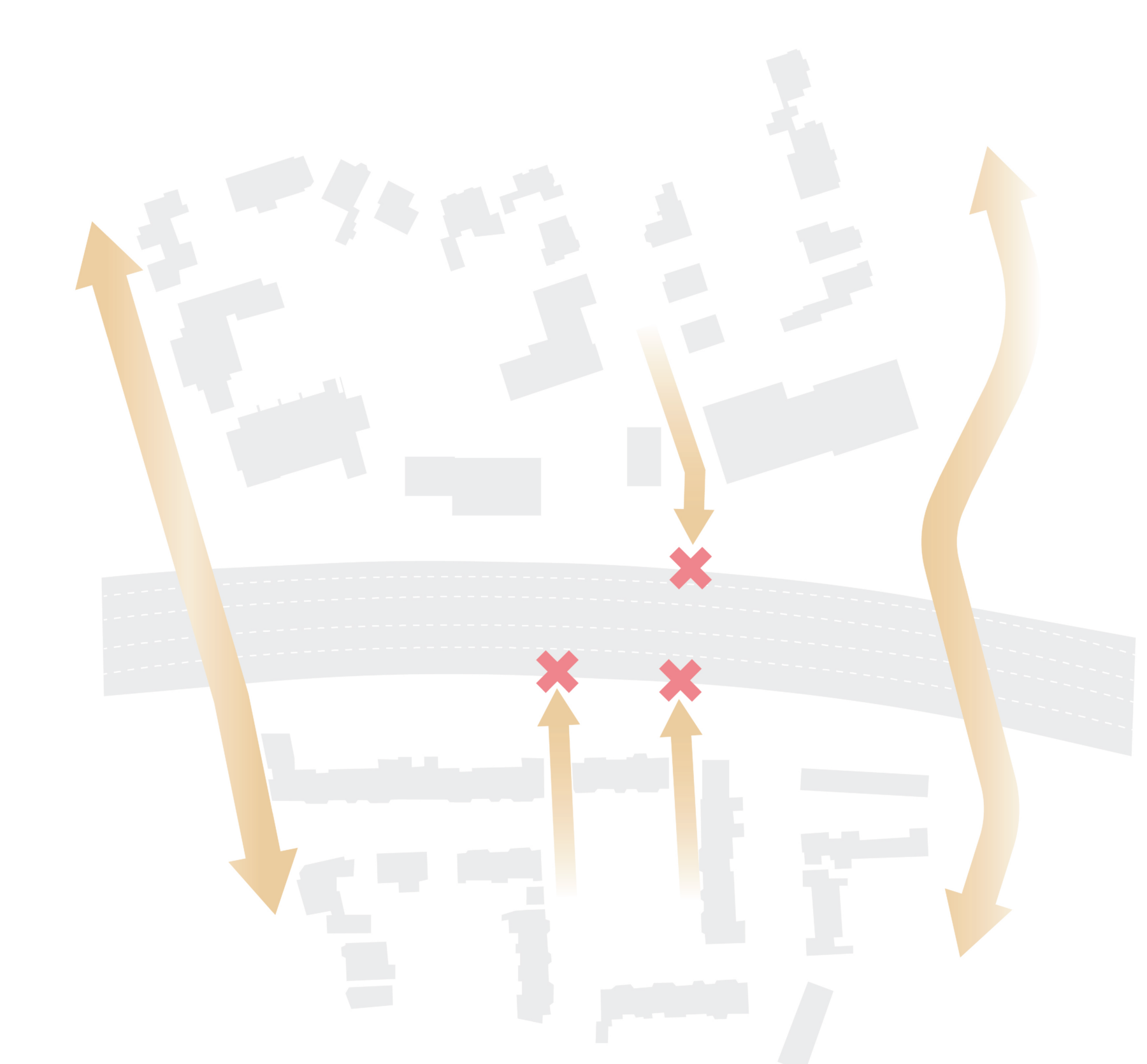
The A9 cuts through the Old Village, which turns its back on the highway with the rear sides of houses facing it.
Future situation
The development of Annapark makes it possible to add buildings along the edges that are oriented toward the park.
Use and social function
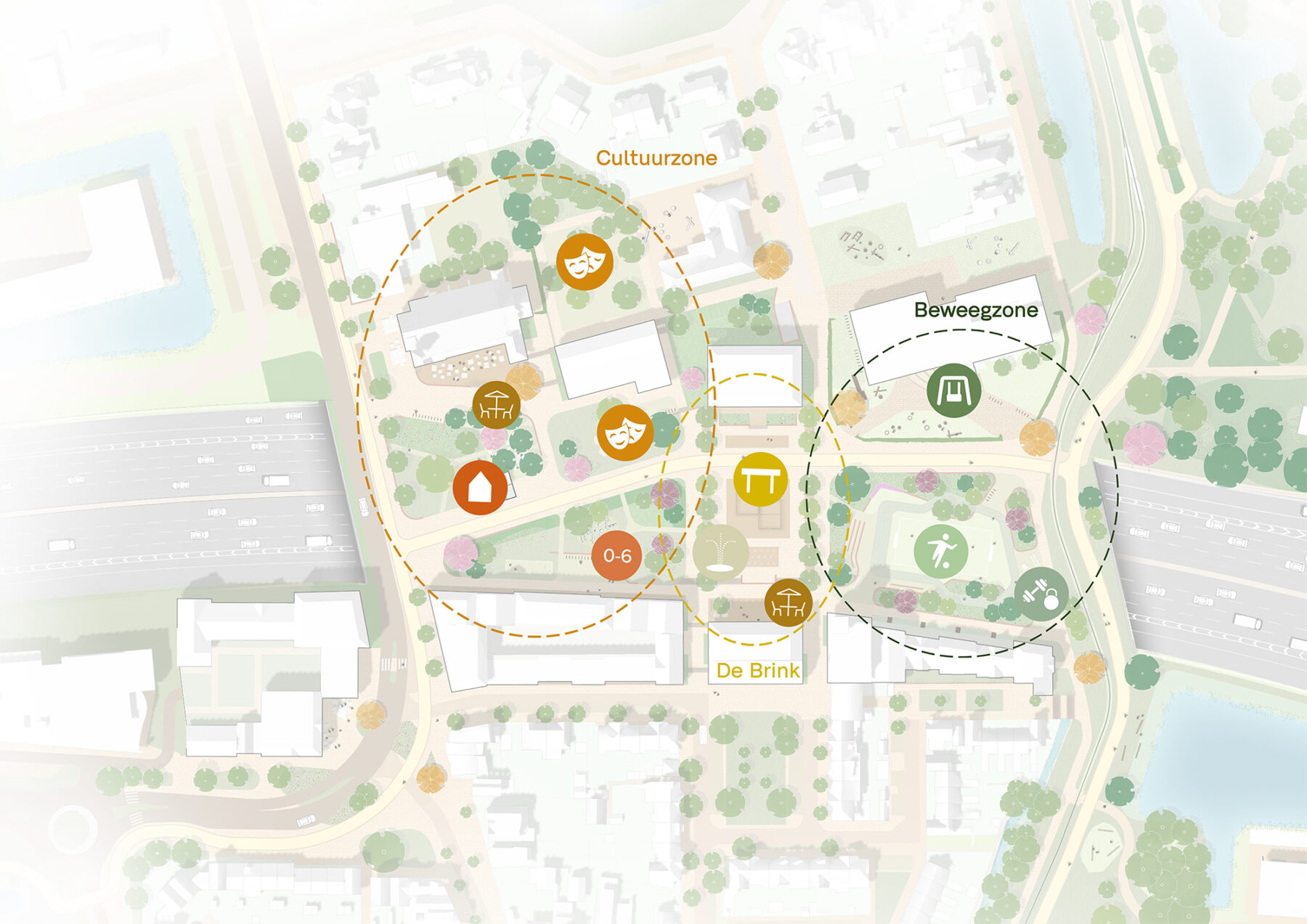
The Annapark will become a versatile meeting place for residents and visitors of Amstelveen. The park brings together a range of functions, enabling the area to be actively used throughout the day and across the year.
The park’s design consists of different zones, each with its own character. The Brink forms the central square for gatherings, events, and cultural activities. In the cultural zone around the Annakerk, space is created for art, stages, and cultural programming. On the eastern side lies an activity zone where sports, play, and movement take center stage, with facilities that can also be used by nearby schools.
This mix of programs creates a lively public space where residents can relax, exercise, play, and meet one another. In this way, the park strengthens the central role of the Oude Dorp and contributes to a healthy and inclusive living environment.


Landscape, sustainability and climate adaptation
The design of Annapark combines intensive use with a strong green structure. By extending existing green structures from the surrounding area, ecological connections are restored, creating a network of green spaces that links to the Amsterdam Forest, the Poel shoreline, and Broersepark.
The park will be predominantly designed as a green space, featuring a wide variety of planting and trees. These green zones contribute to biodiversity, water retention, and cooling during warm periods. Rainwater is captured and infiltrated locally as much as possible, allowing the park to contribute to a climate-resilient design of the area.
In addition, the green layout creates a pleasant microclimate with both sunny and shaded areas, making the park attractive for a wide range of users throughout the year.


Process and collaboration
The urban design plan for Annapark represents the first concrete elaboration of the Nieuwe Oude Dorp area vision. This vision sets out the ambitions to strengthen the historic village area, create new meeting places, and better connect the area to the city and the surrounding landscape.
The plan provides a spatial framework for the further development of the park and its surrounding buildings. In the upcoming planning phases, the public space, buildings, and programming will be further developed in collaboration with the municipality, stakeholders, and residents.
With the realization of Annapark, a new public space will emerge in Amstelveen where infrastructure, landscape, and urban life come together, allowing the Oude Dorp to once again become the heart of the city.
WOULD YOU LIKE TO KNOW MORE ABOUT THIS PROJECT?
Nora Kooijmans will be happy to tell you about it!