Homo Ludens – The Playing Human in the City
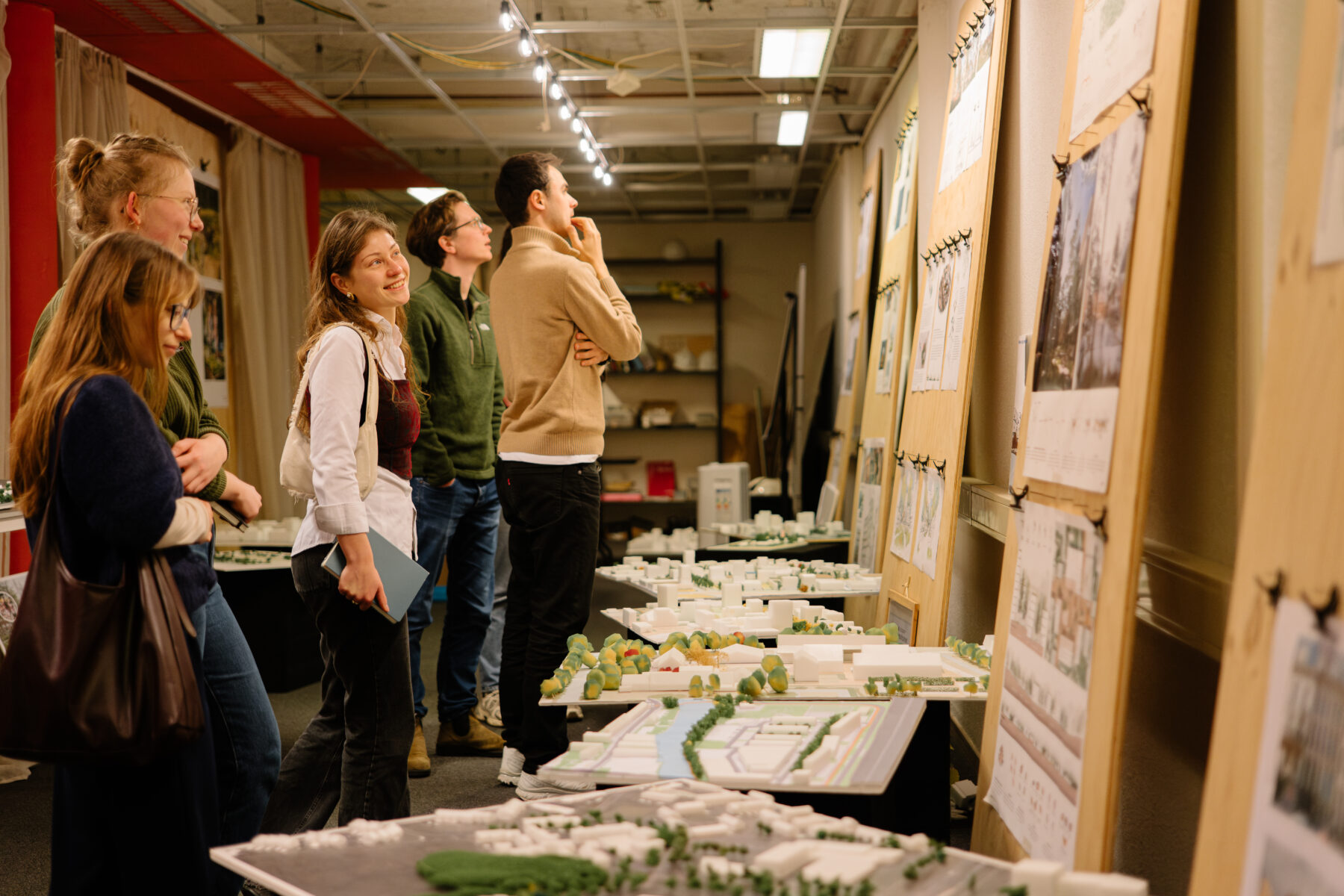
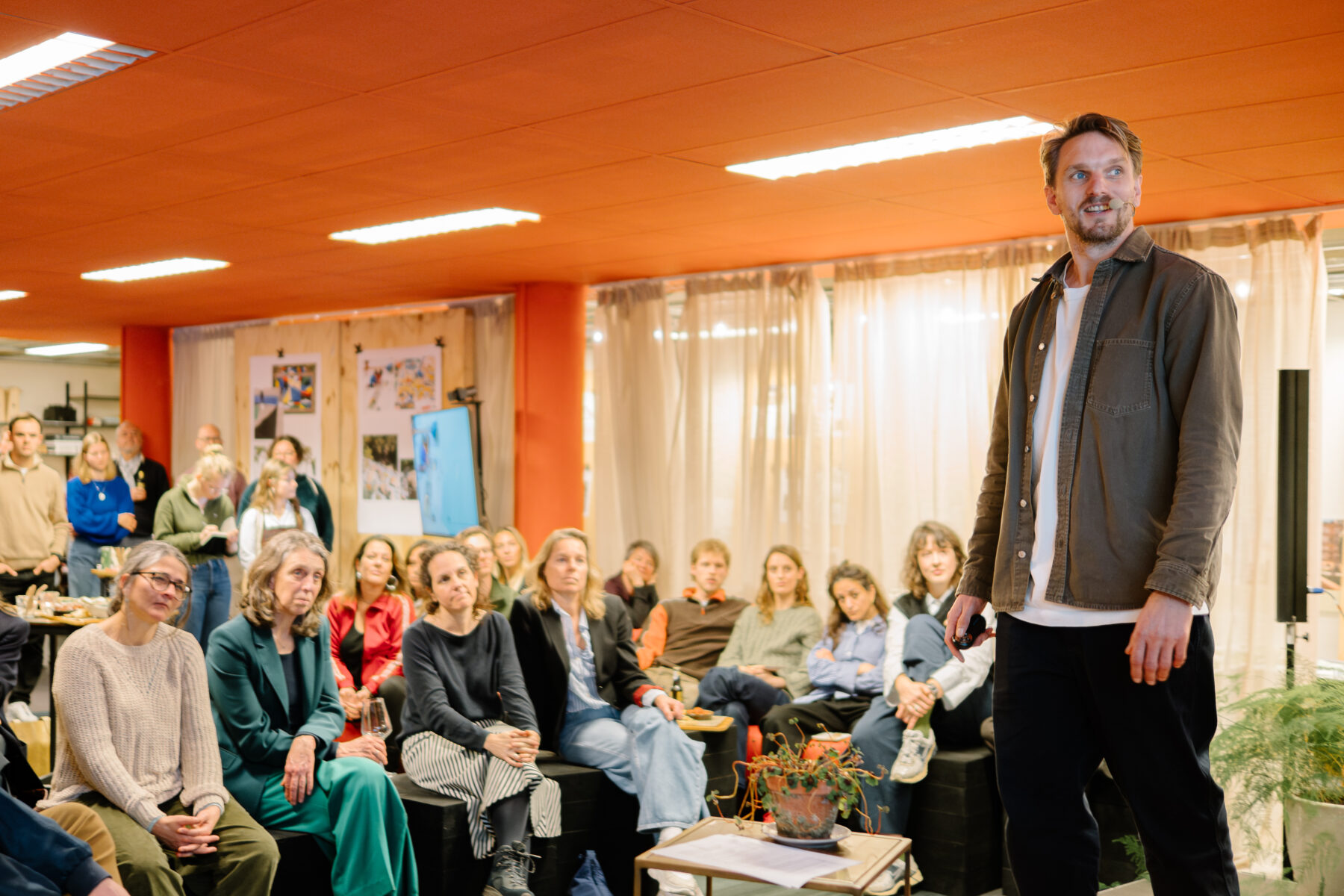
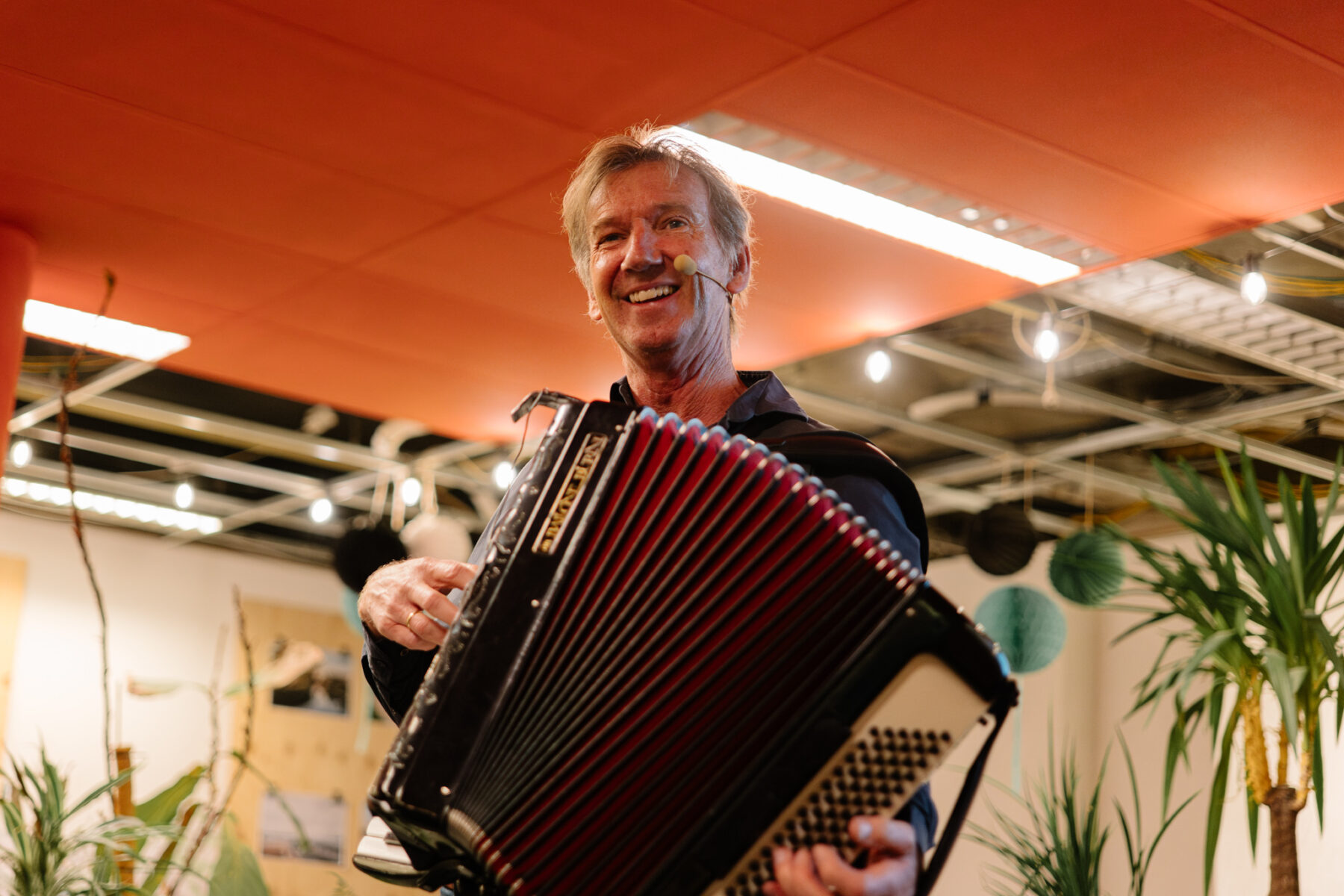
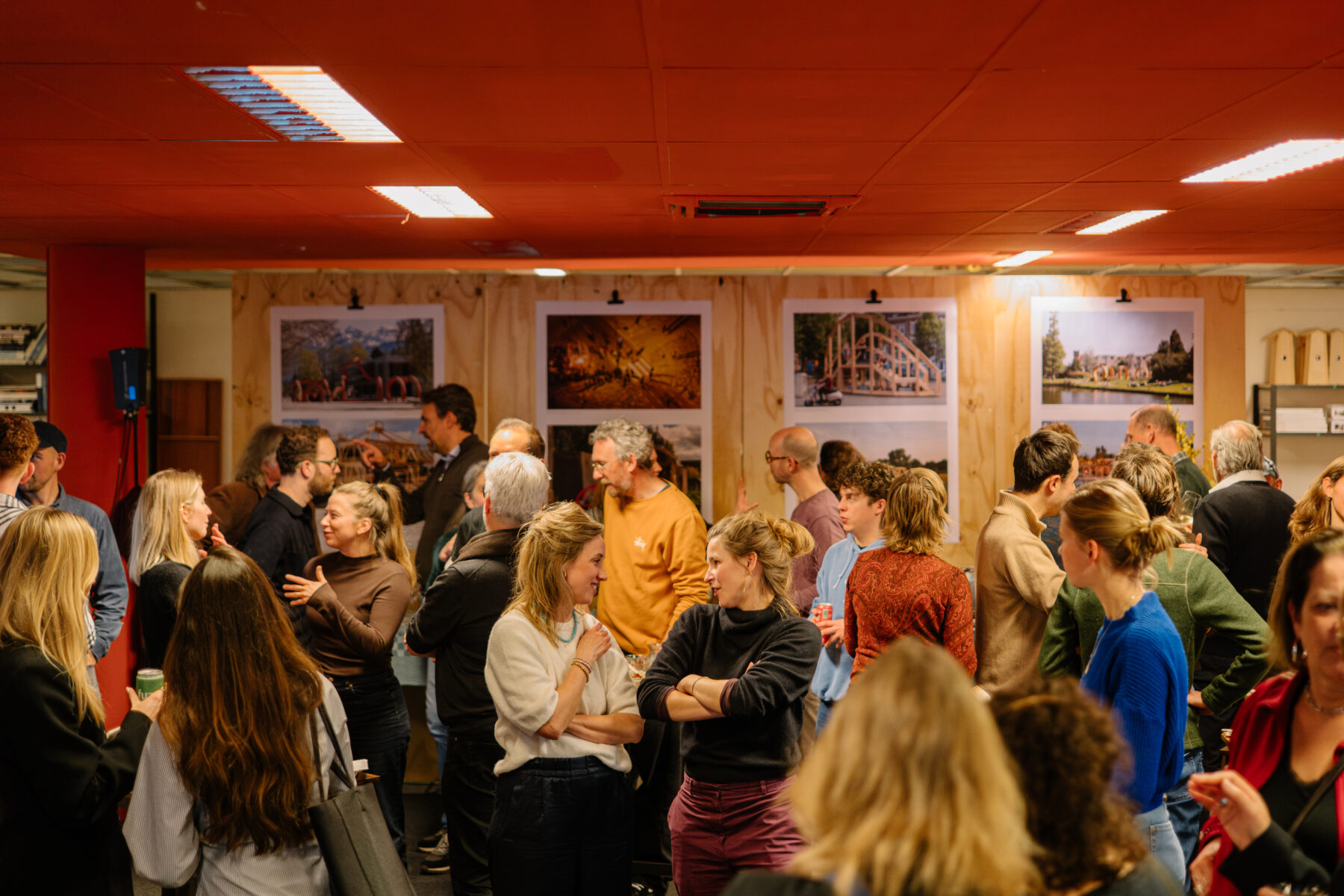
We look back on an inspiring and dynamic event. It was fascinating to discuss this topic and inspire one another in such a diverse gathering of designers, students, project developers, friends, and family.

We look back on an inspiring and dynamic event. It was fascinating to discuss this topic and inspire one another in such a diverse gathering of designers, students, project developers, friends, and family.
Homo ludens means “the playing human.” The term comes from the book Homo Ludens (1938) by Johan Huizinga, a Dutch cultural historian who argued that play is a fundamental element of culture and human behavior. Why do we consider the playing human so important, and why do we believe that the playing human should take a more central role in shaping our cities? Because play matters. Play is an activity centered on imagination, creativity, and enjoyment. When you play, you momentarily step away from everyday life.
Play also creates space for experimentation. Because play carries no immediate obligation, people are more willing to try new solutions and think beyond existing frameworks. Through play we develop creativity and problem-solving skills, and we learn how to deal with rules and boundaries. Play brings people together; it helps build relationships, develop trust, learn to collaborate, and engage with others. In this way, play plays an important role in community building.
In short, there are plenty of reasons to take the playing human very seriously. If we are not careful, we risk turning the city into an extremely efficient machine—but in doing so we would be throwing the baby out with the bathwater. The city is first and foremost a place FOR people: a place where we not only work and move around, but also meet each other and relax. Alongside roads and buildings, we therefore need space to move freely and places for spontaneous activities. Our call is therefore: let’s create cities where people can live together and flourish, with room for encounter, spontaneity, and experimentation.
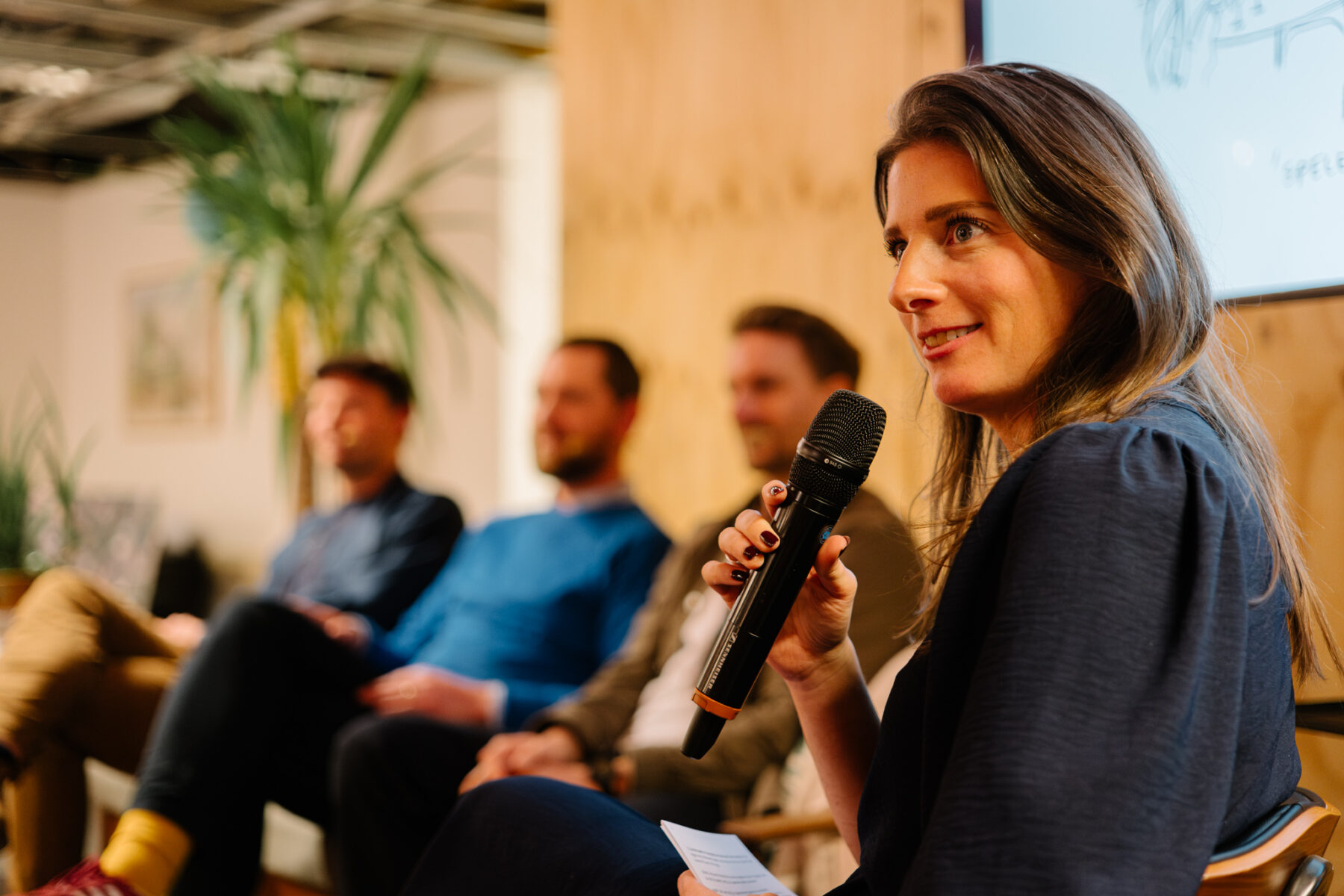
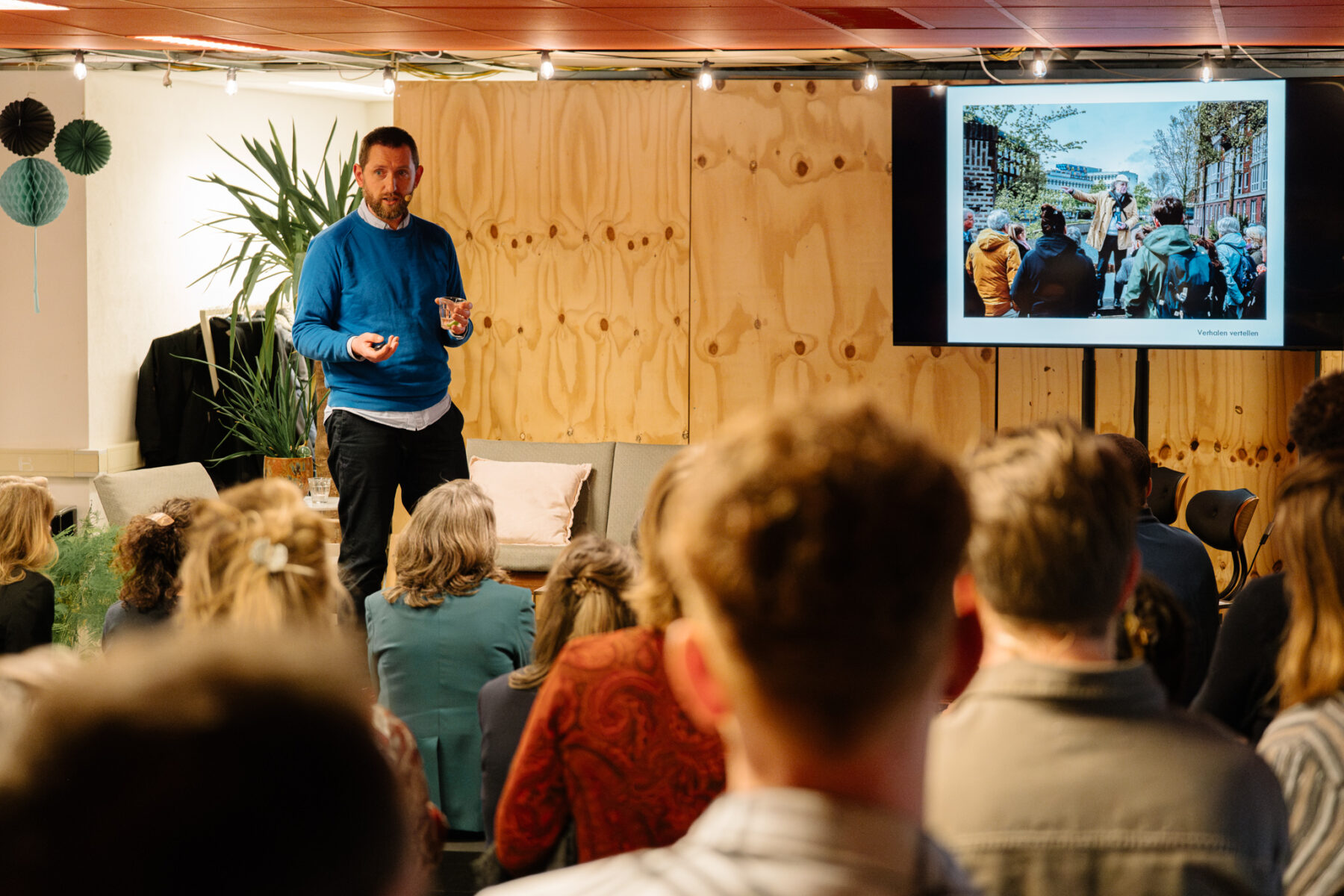
Thank you Lieven Poutsma, Harry-Jan Bus, and Mielo Pouwer, and everyone present for the enriching conversation. We look forward to the next gathering.